




















Is Kazakhstan Ready for the Transition to Electrification?
04/11/2026


04/11/2026
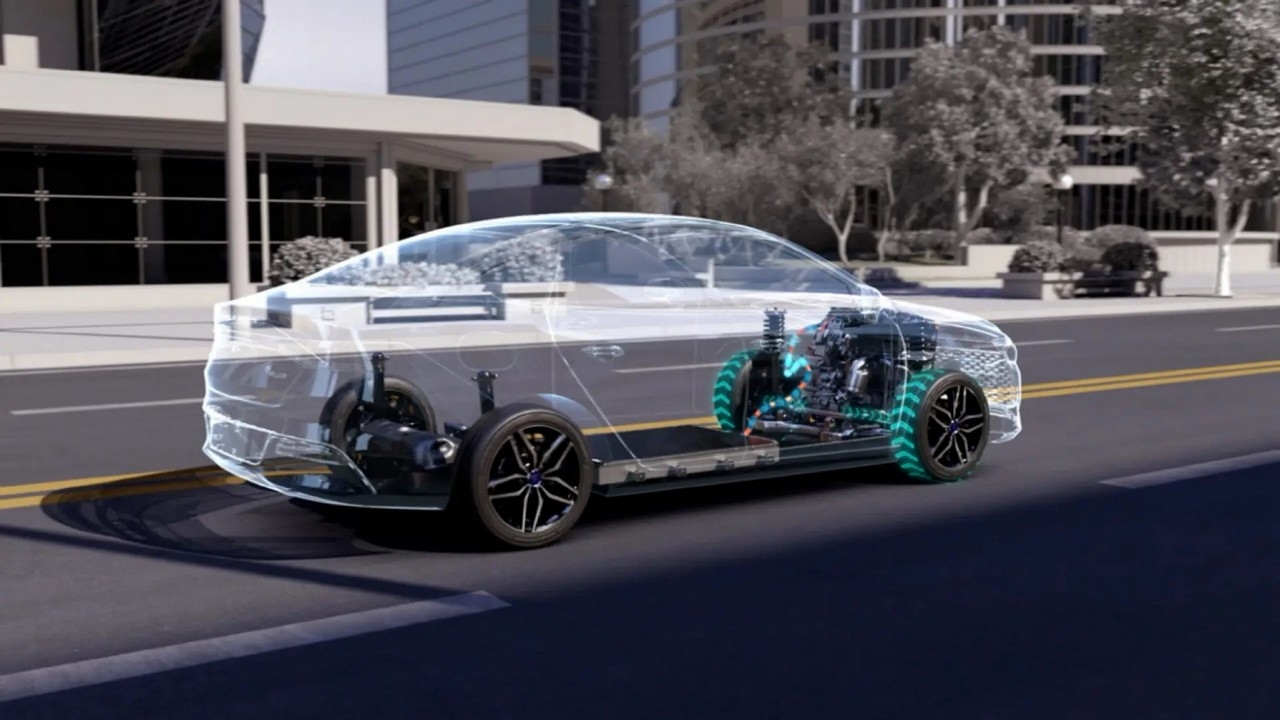
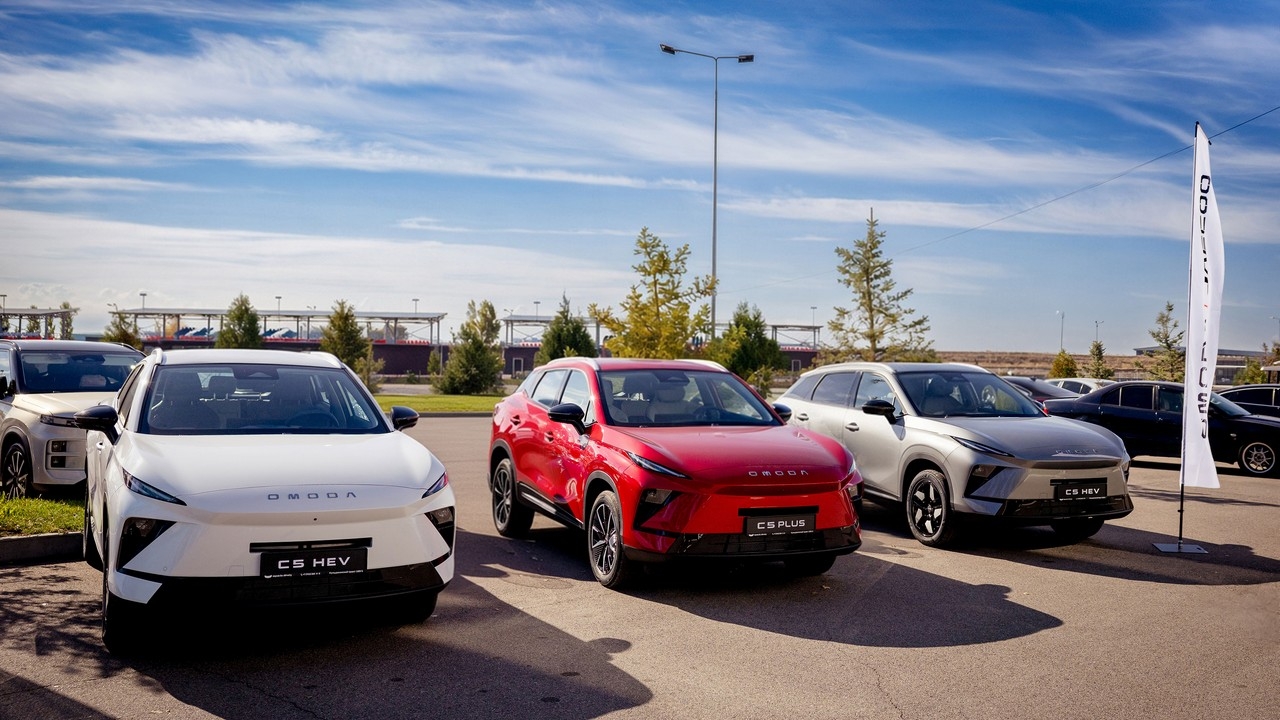
Until recently, the topic of electric vehicles and hybrids in Kazakhstan was perceived more as a distant prospect. Today, a quick glance at city traffic and parking lots in major metropolises is enough to see that new energy vehicles (NEVs)—including battery electric vehicles and plug-in hybrids—have become part of the market structure. Still a small segment, but one that is already gaining momentum.
What the Real Market Says
Let's look at the development dynamics of the NEV segment in Kazakhstan this year. In January–February 2026, consumers purchased 708 units of electric vehicles and hybrids. Within the scope of total sales by authorized dealers for that period, NEVs accounted for 2.6% of authorized dealers' sales. That may seem small, but the number of NEVs sold was more than four times higher than a year earlier.
Two months later, NEV sales exceeded two thousand units. Even though 65,400 new cars were sold during this period, the share of electric vehicles and hybrids in authorized dealer sales had already reached 3.2%.
In the first eight months of this year, six thousand NEVs were sold—a three-fold increase compared to the same period last year.
The Essence of the Changes
The figures show that the market has reached a point where, from the perspective of a car dealer or a fuel retailer, it is simply impossible to ignore the changes. Does this mean that Kazakhstanis will switch to electric vehicles and hybrids en masse in the near future? Let's put it this way: the market has embraced the global trend and is accelerating its transition to a new stage—electrification.
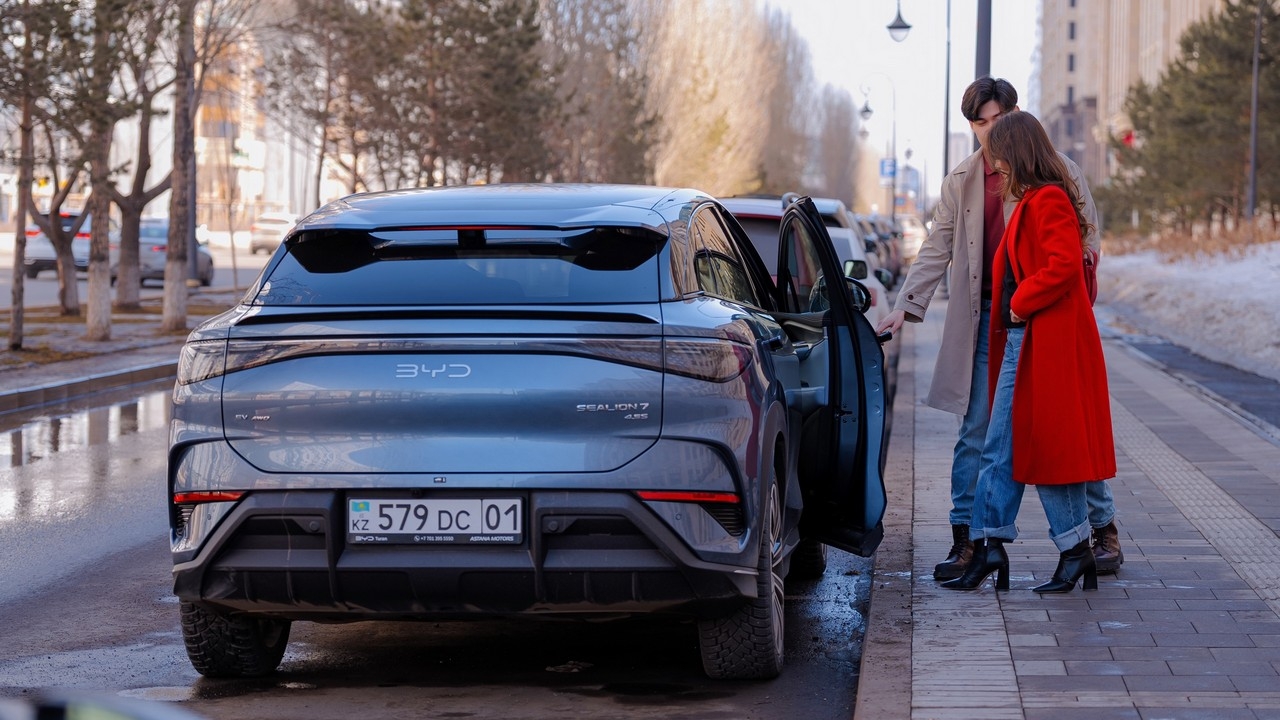
It is evident that consumers in Kazakhstan are gradually moving away from dividing cars into "gasoline" and "electric." Based on their personal usage scenarios, they are choosing the most suitable system for their transport needs rather than just a fuel type.
It is still too early to say that Kazakhstani buyers choose a particular car for environmental reasons, although global warming is critically important for Kazakhstan, as it is for the rest of the world. In recent years, we have more frequently observed natural disasters worldwide and felt the negative effects of climate change—sharp temperature swings due to global warming. Realizing the value of the "green" agenda for our region is only a matter of time.
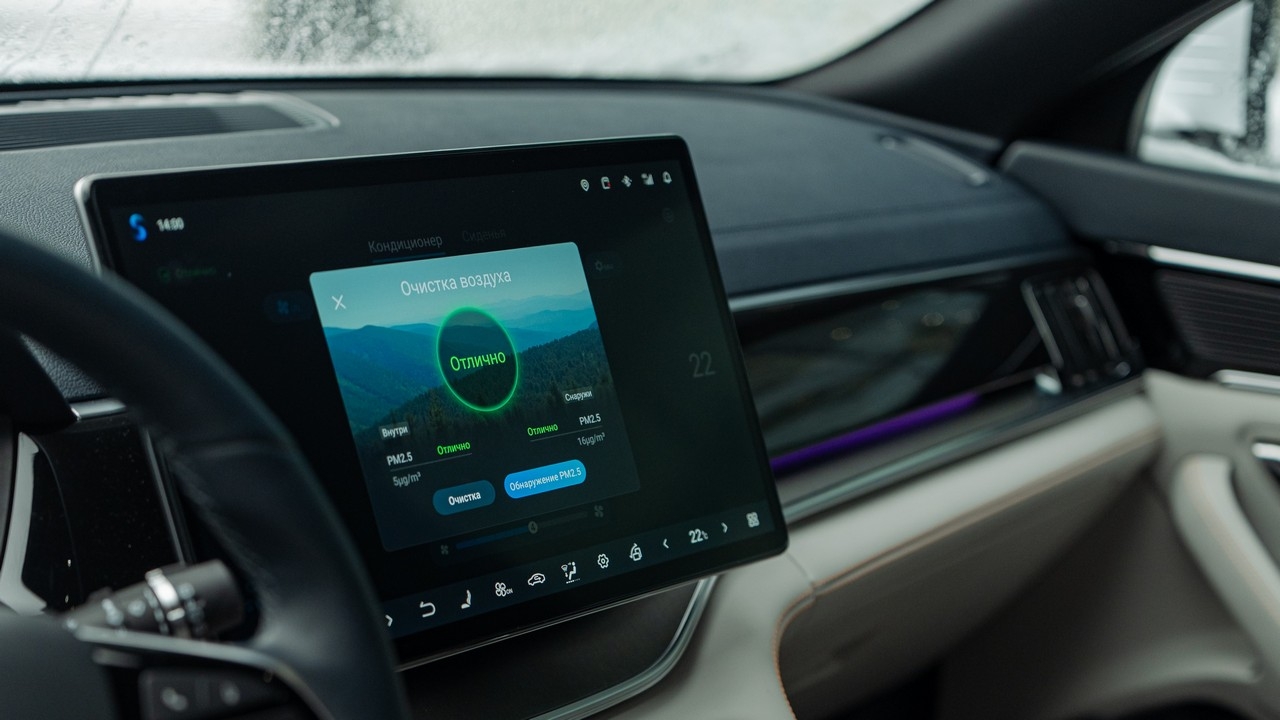
As far back as November 2021, at the UN climate conference in Glasgow, Scotland, the global NEV market leader BYD announced its mission to "cool the Earth by one degree." This provides insight into the scale of the automotive brand's strategy and how seriously the industry can take its impact on the environment and, consequently, the fate of humanity as a whole. The BYD initiative is a marker of how far the automotive industry has already moved away from previous concepts of transportation.
What Are the Benefits of EVs?
On the practical side, most consumers today want a safe, reliable, dynamic, and comfortable car with convenient options—one that can be taken on a trip or for business to another region without the worry of searching for high-quality fuel. There are customers whose priority is savings, and the number of such practical consumers is growing.
Many have already realized the range of features, modern technology, and comfort through their own experience—vehicles from several Chinese brands more than meet the demands of the times. And car sales statistics in Kazakhstan confirm that Chinese brands are at the top.
Now, about the savings. According to AMAAR, the annual gasoline costs for a single car owner range from 600,000 to 900,000 tenge; maintenance costs exceed 200,000 tenge.
For statistics on electric vehicle (EV) maintenance costs, AutoReport turned to the leader of the Kazakhstani and global NEV market—BYD. According to analysts at BYD’s distributor in Kazakhstan, a battery electric vehicle owner spends between 170,000 and 450,000 tenge per year on charging their car. Specifically, home charging costs about 45 tenge per kWh, while at a public EV charging station (city, highway, facilities), it averages 80 tenge per kWh. An EV owner pays about 50,000 tenge per year for maintenance.
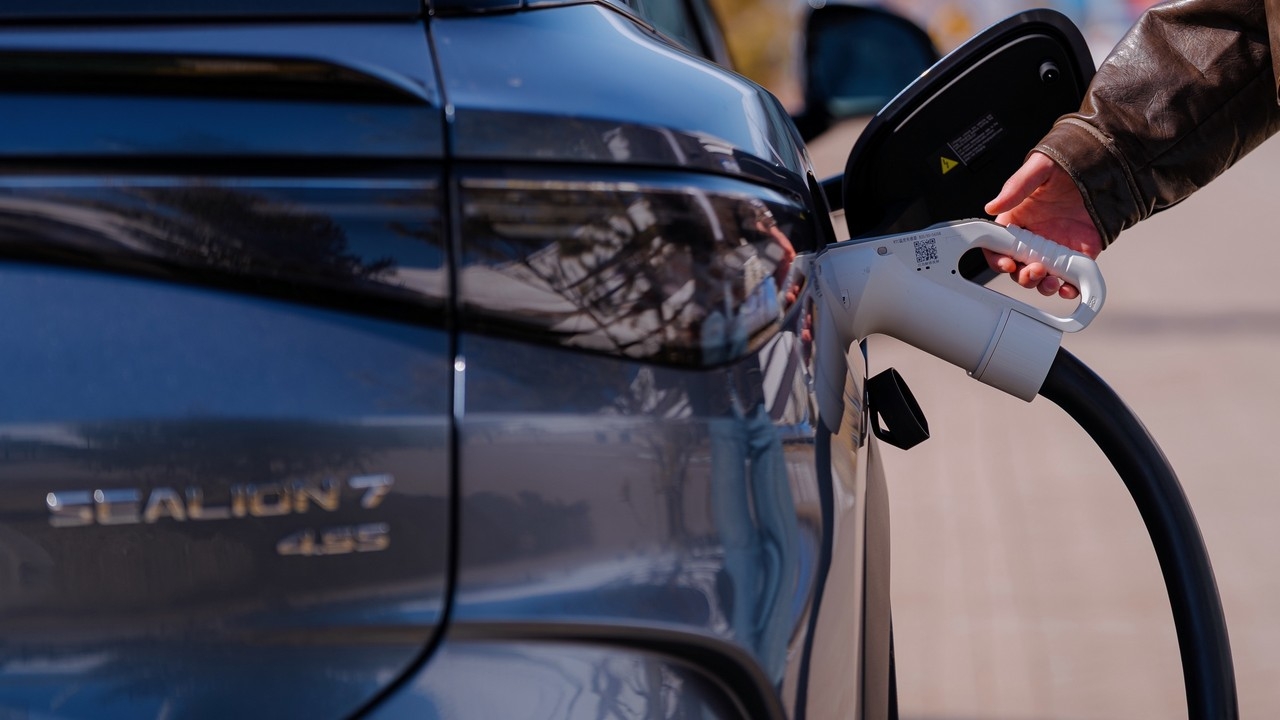
The total cost of fuel and maintenance for an ICE vehicle or an EV depends on the region and how much the owner drives (different rates and how many kilometers the car travels per year).
Thus, owning a battery electric vehicle in our country is two to three times cheaper. The tenge savings data for taxi fleets is even more impressive. In 2025, the BYD distributor surveyed 20 taxi fleets operating in Kazakhstan and found that in the regions, a single taxi fleet vehicle travels 60,000–70,000 km per year, while in Astana and Almaty, this figure can reach 120,000 km per year. Fuel savings alone for a single taxi service electric vehicle reach two million tenge per year, with maintenance savings around half a million.
Factors Influencing NEV Development
Today, the global leadership of Chinese NEV manufacturers is undeniable. In the Kazakhstani auto market, a general trend has been observed in recent years: the growth of Chinese brands. By the end of 2025, they held about a 39% share of the total passenger car sales volume in the republic. In the first eight months of 2026, the share of Chinese brands is about 45% of the total passenger car sales volume, according to KAU analysts. However, the vast majority of Chinese brand models in our republic have internal combustion engines, which means the "Chinese push" cannot be considered a factor influencing the development of the NEV segment in Kazakhstan.
The European agenda, with its mass transition to electric and the gradual phasing out of ICEs, partly influences consumer awareness in the Central Asian region, but it is hardly a representative example.
Kazakhstan is different across a range of parameters: distances, climate, transport system, and vehicle usage patterns. The transformation of the local market toward NEVs is occurring due to a combination of factors: a growing choice of brands and models with their own philosophies, a more practical cost-benefit assessment in vehicle selection by younger generations, the fuel market situation locally and internationally, and infrastructure development, which continues through the efforts of individual market participants. Undoubtedly, a significant role is played by new technologies developed by scientists and design engineers of electric vehicles and hybrids, primarily in terms of safety, driving range, and charging speed.
A Unique Path to Electrification
The majority of NEVs sold in Kazakhstan in the first eight months of 2026 are plug-in hybrids (PHEVs) and extended-range electric vehicles (EREVs). That is 4,351 vehicles, or 72.5% of the entire NEV segment. Interestingly, during this period, PHEVs and EREVs showed more than a four-fold growth (from 1,008 to 4,351 units), while sales of battery electric vehicles (EVs) increased by 74.8% compared to January–August 2025 (from 945 to 1,652 units). In effect, the Kazakhstani consumer is "voting" for two technologies. By the way, starting in 2026, the Kazakhstan Automobile Union (KAU) introduced the practice of publishing NEV sales statistics in Kazakhstan every two months; therefore, the market expects the next data update for the 10-month period in November.
Returning to the topic of the popularity of both technologies (hybrids and battery electric vehicles) among Kazakhstanis, the market position of the NEV flagship in Kazakhstan, BYD, is a telling example. In the top ten most popular NEVs for the half-year period cited, there are five BYD models: the hybrid Song Plus DM-i, Chazor, the electric Song Plus, Yuan Up, and Sealion 7. The highest number of sales among BYD models belongs to the Song Plus DM-i, with 1,196 vehicles. The electric version of the Song Plus took third place with 576 units, while the hybrid Chazor came in fourth with 572 vehicles.
The sales statistics of the leader reveal BYD's strategy: within a single form factor (Yuan Up and Yuan Up DM-i, or Song Plus EV and Song Plus DM-i), the brand offers a choice of the "degree of electrification” based on their budget and the vehicle features they need.
In other words, one doesn't necessarily have to be an "electric skeptic" or, conversely, an "electric enthusiast" to justify their choice. The basis for the purchasing decision is a practical cost-benefit assessment and, quite justifiably, safety considerations, where the brand has unique developments with its Blade Battery technology.

Infrastructure: A Challenge for NEV Development
Naturally, in large cities like Almaty, Astana, and Shymkent, where the most active growth of electric vehicles and hybrids is observed, the availability of EV charging stations near home or office for NEV owners is now effectively resolved.
According to Kazakhstan's Ministry of Transport, there are currently 62 EV charging stations along international and national highways. According to the plan, 27 gas stations will be built on highways by the end of 2026, which also includes the installation of charging stations for electric vehicles. Additionally, there are plans to install seven EV charging stations on the Western Europe–Western China corridor this year, in addition to the existing 19 stations.
The government plans to install another 250 EV charging stations across the republic by 2034. As of early August, highway EV charging stations are still absent in the Abai, Ulytau, East Kazakhstan, and Aktobe regions. However, fuel retailers—both national and regional—are increasingly installing EV charging stations on highways. There is a possibility that plans for fuel infrastructure development will be adjusted if the demand for electric vehicles and hybrids among the population becomes even more active.
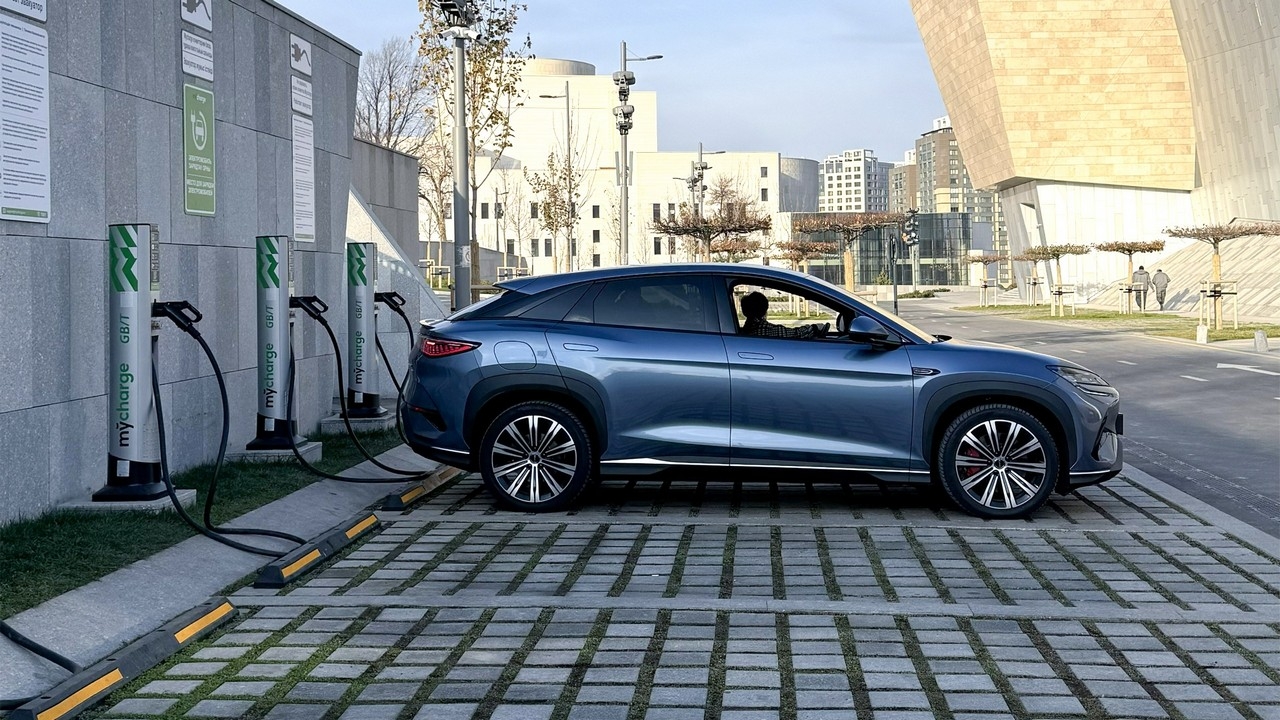
Private companies are also involved in this process. One network that has established a positive reputation for accessibility and safety is the MyCharge EV charging station network. Today, the network includes 103 ports at 33 stations in 12 cities. The company plans to have about 250 charging ports at 80 stations in Kazakhstan by 2028.
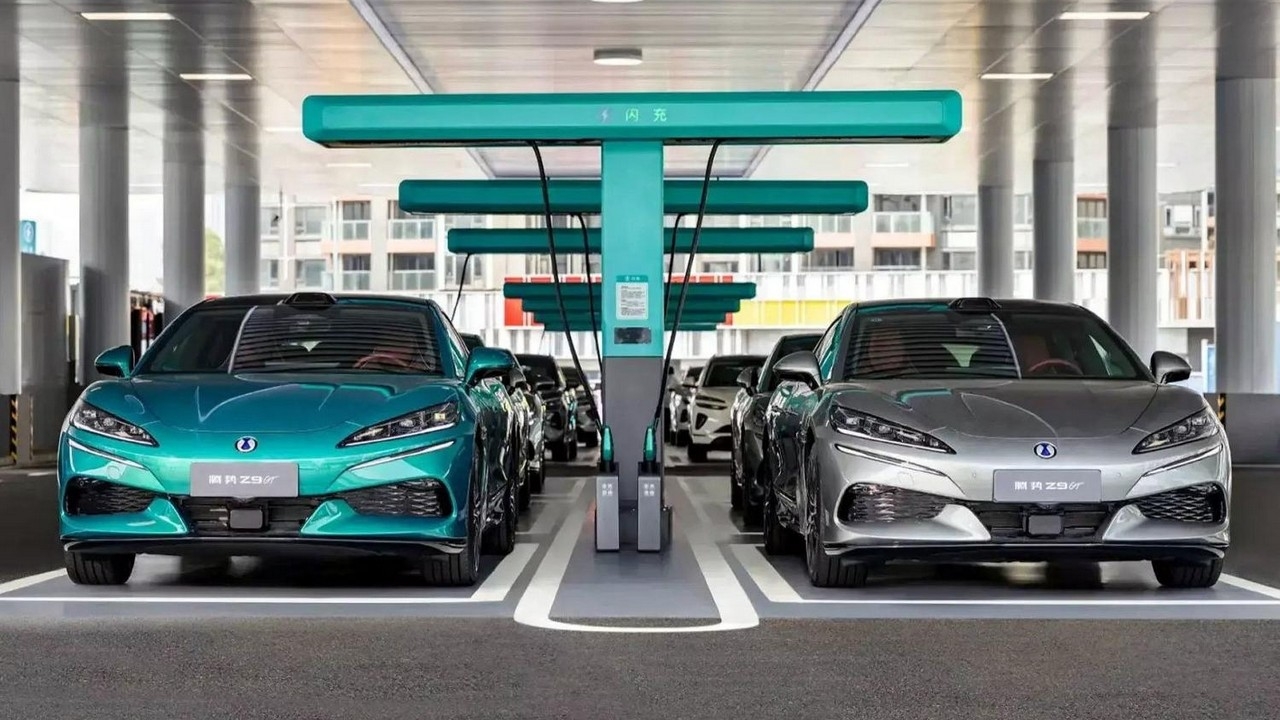
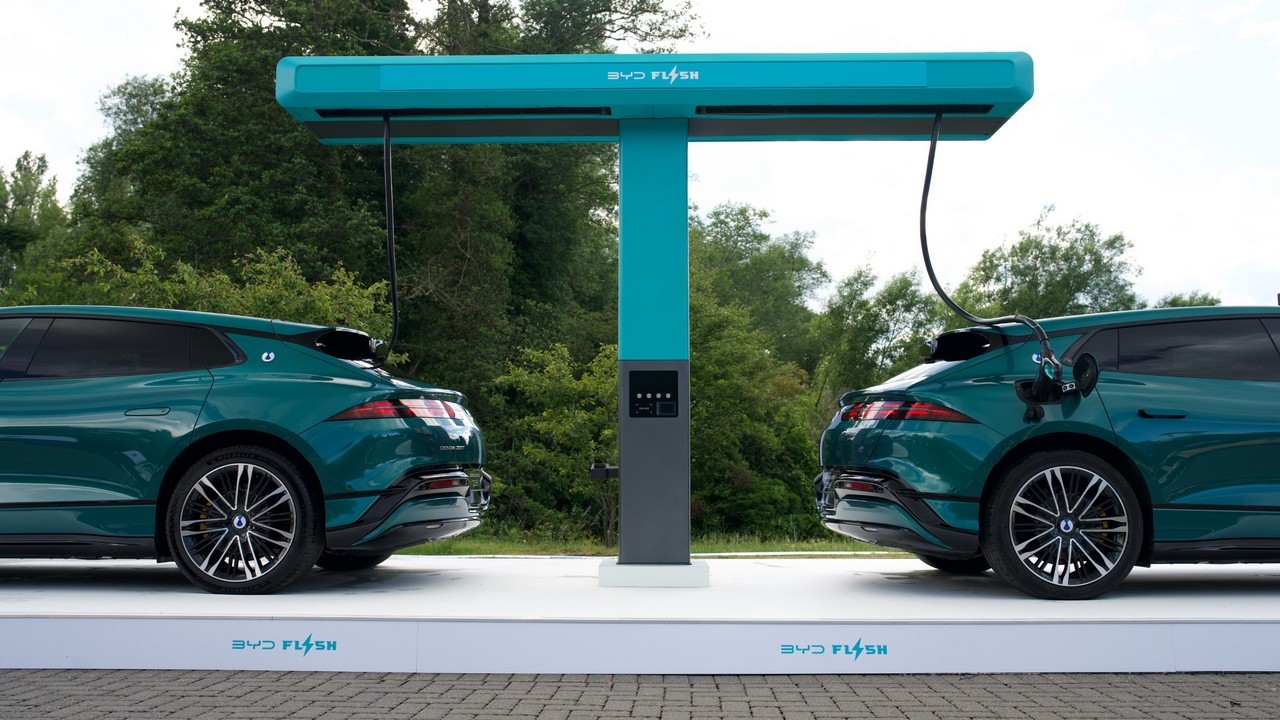
When discussing the development of charging technologies, it is impossible not to note the role of BYD engineers, who in the summer of 2026 presented the world with a unique solution—Flash Charge, an ultra-fast charging station that can charge a vehicle's battery to 97% in under nine minutes. Astana Motors is preparing to launch Flash Charge in Kazakhstan in 2027.
Thus, BYD now offers not just a choice of the degree of vehicle electrification (hybrid or electric vehicle), but an entire ecosystem for the transition from an ICE vehicle to an NEV.
Prospects for the NEV Market in Kazakhstan
Based on authorized dealer sales results and the general sentiment in the Kazakhstani community—judging by the current agenda in the media, among auto experts, and car owners—the NEV segment is becoming highly competitive. This is true even considering that electrified vehicles are a new product for the Kazakhstani market, and not all consumers yet have a clear understanding of the advantages of operating electric vehicles and hybrids.
Among the brands officially represented in the Kazakhstan market, NEV models are offered by European, Japanese, Korean, and, for the most part, Chinese brands. Sharper competition among dealers means a wider choice of models and opportunities for a favorable purchase for the consumer.
In conditions of rapidly growing competition, market participants traditionally use tools such as service bonuses, prompt and professional technical support according to brand standards, and financial programs. In the context of the latter, price often plays a decisive role. But price is a complex variable, formed from a multitude of technical, production, regulatory, and macroeconomic factors.
Essentially, the most effective way to influence the price within a single market is through local production of the vehicle in that market. This is one of the reasons why Astana Motors is considering the organization of BYD vehicle production in Kazakhstan. The relevance of localizing models of this specific brand has grown particularly due to the high popularity of BYD vehicles among Kazakhstanis. Naturally, producing vehicles at this technological level would require experience, suitable facilities and resources, as well as favorable global conditions affecting geopolitics, the economy, logistics, and the cost of materials and components. In this case, the consumer will receive a more stable and attractive vehicle price, the brand will be able to develop its long-term strategy in the local market more confidently, domestic business will strengthen its market positions, and the country will gain the latest technologies and engineering experience from a global leader in the production and sale of new energy vehicles.
Until recently, the topic of electric vehicles and hybrids in Kazakhstan was perceived more as a distant prospect. Today, a quick glance at city traffic and parking lots in major metropolises is enough to see that new energy vehicles (NEVs)—including battery electric vehicles and plug-in hybrids—have become part of the market structure. Still a small segment, but one that is already gaining momentum.
What the Real Market Says
Let's look at the development dynamics of the NEV segment in Kazakhstan this year. In January–February 2026, consumers purchased 708 units of electric vehicles and hybrids. Within the scope of total sales by authorized dealers for that period, NEVs accounted for 2.6% of authorized dealers' sales. That may seem small, but the number of NEVs sold was more than four times higher than a year earlier.
Two months later, NEV sales exceeded two thousand units. Even though 65,400 new cars were sold during this period, the share of electric vehicles and hybrids in authorized dealer sales had already reached 3.2%.
In the first eight months of this year, six thousand NEVs were sold—a three-fold increase compared to the same period last year.
The Essence of the Changes
The figures show that the market has reached a point where, from the perspective of a car dealer or a fuel retailer, it is simply impossible to ignore the changes. Does this mean that Kazakhstanis will switch to electric vehicles and hybrids en masse in the near future? Let's put it this way: the market has embraced the global trend and is accelerating its transition to a new stage—electrification.
04/11/2026