
















From Munich to Sokol: Putting BMW M to the Test in Kazakhstan
10/09/2026


10/09/2026
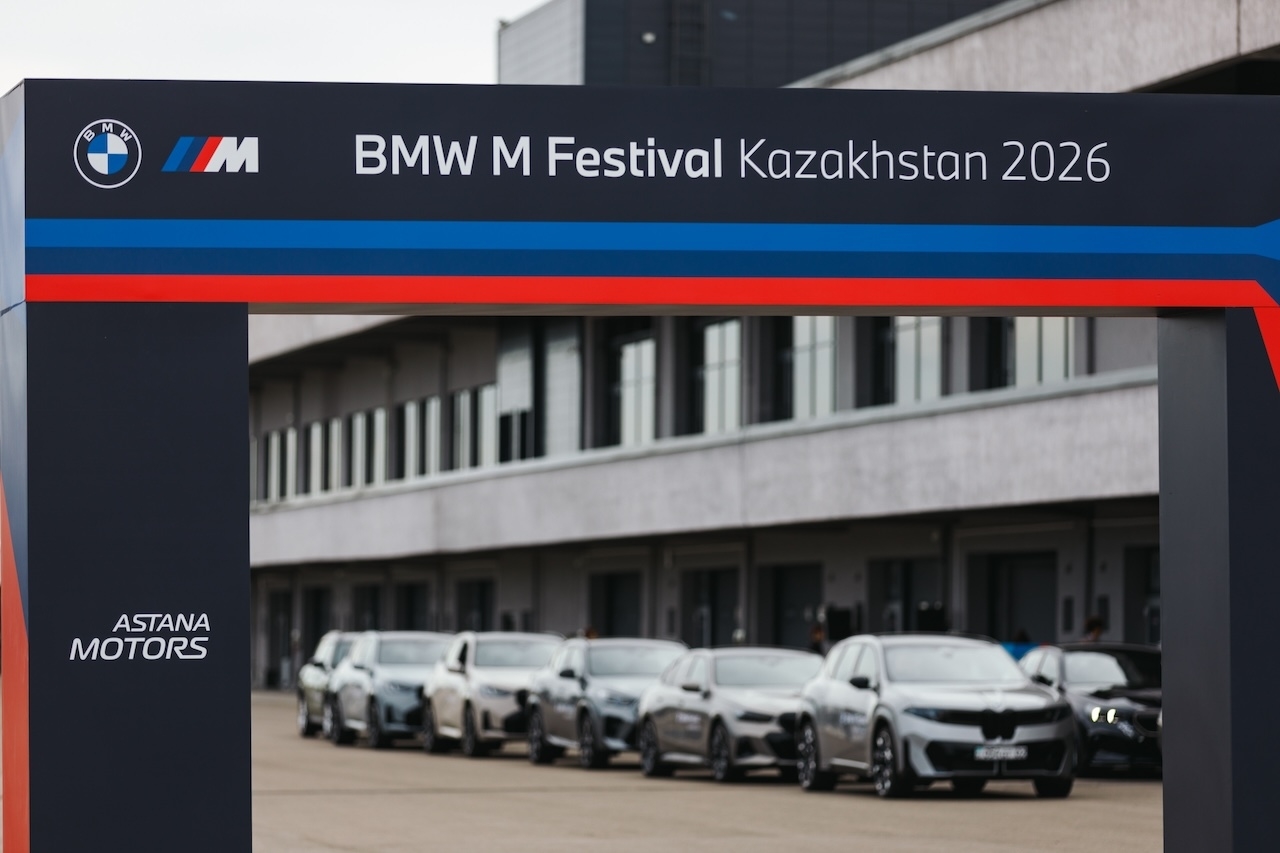
 DKNews.kz attended at BMW’s invitation. The festival was organised by BMW’s official distributor in Kazakhstan, part of Astana Motors.
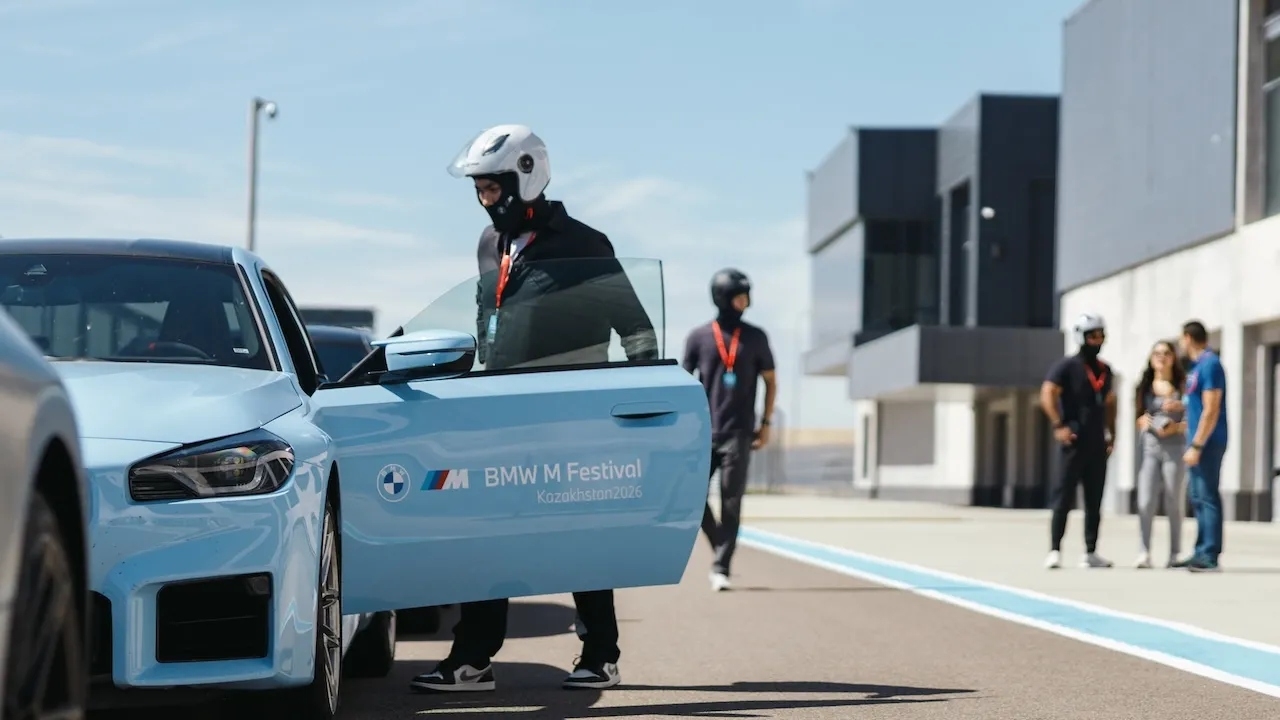
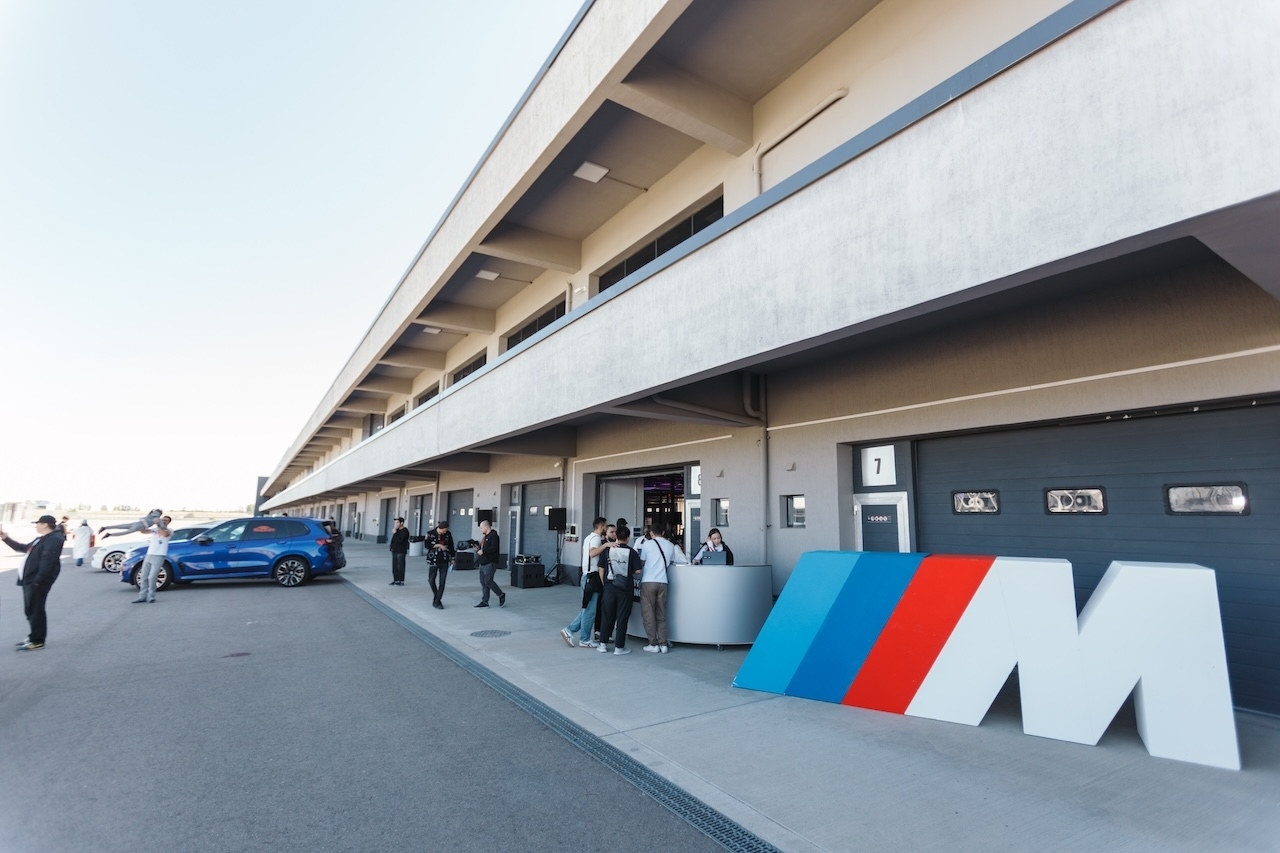 Around 500 people gathered at the circuit, including BMW M owners, BMW M Club members and enthusiasts from Kazakhstan, Kyrgyzstan, Uzbekistan, Azerbaijan and Belarus. Participants could drive a festival car, ride alongside a professional pilot or take their own vehicle onto the track.
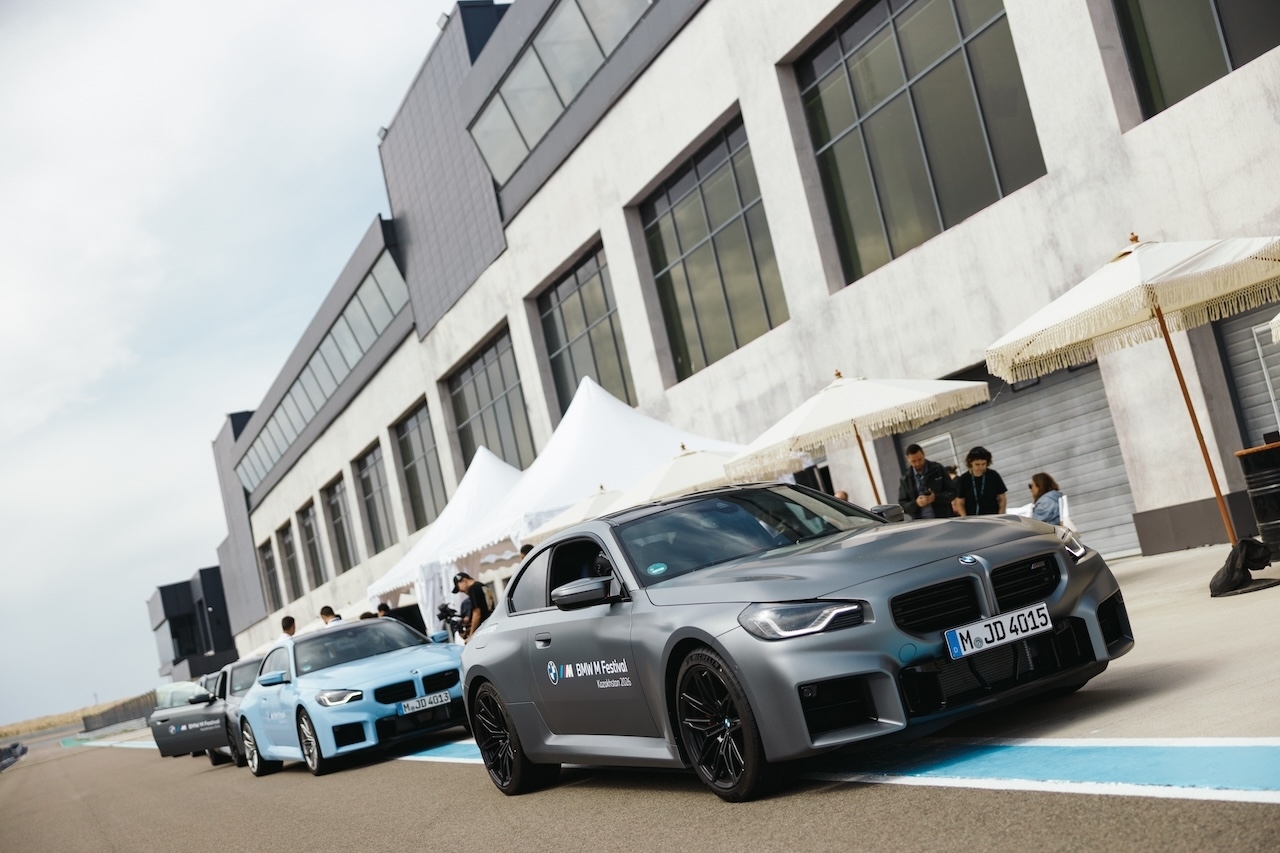
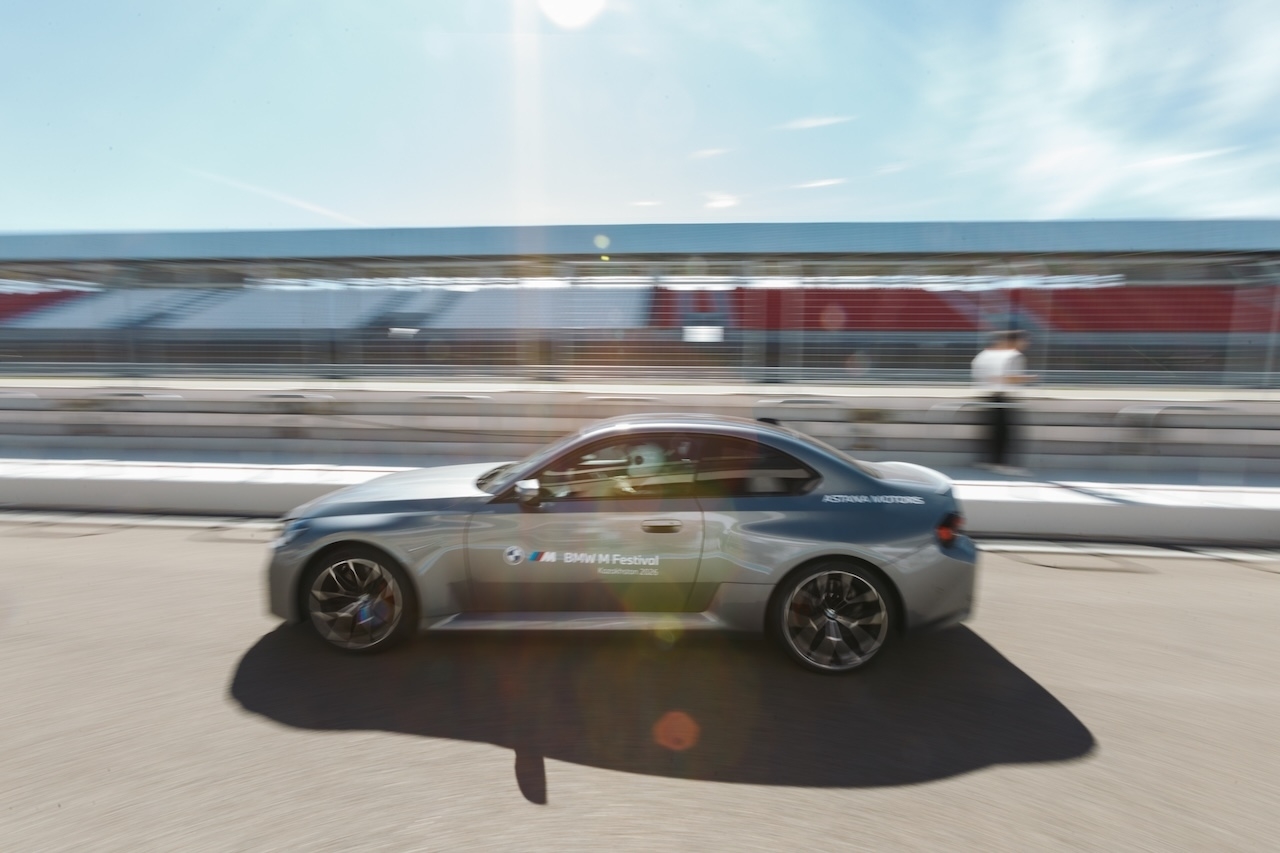
The festival line-up included the BMW M2, BMW M3 Sedan, BMW M3 Touring and BMW M5 Touring. The first three models formed part of the fleet brought from Munich.
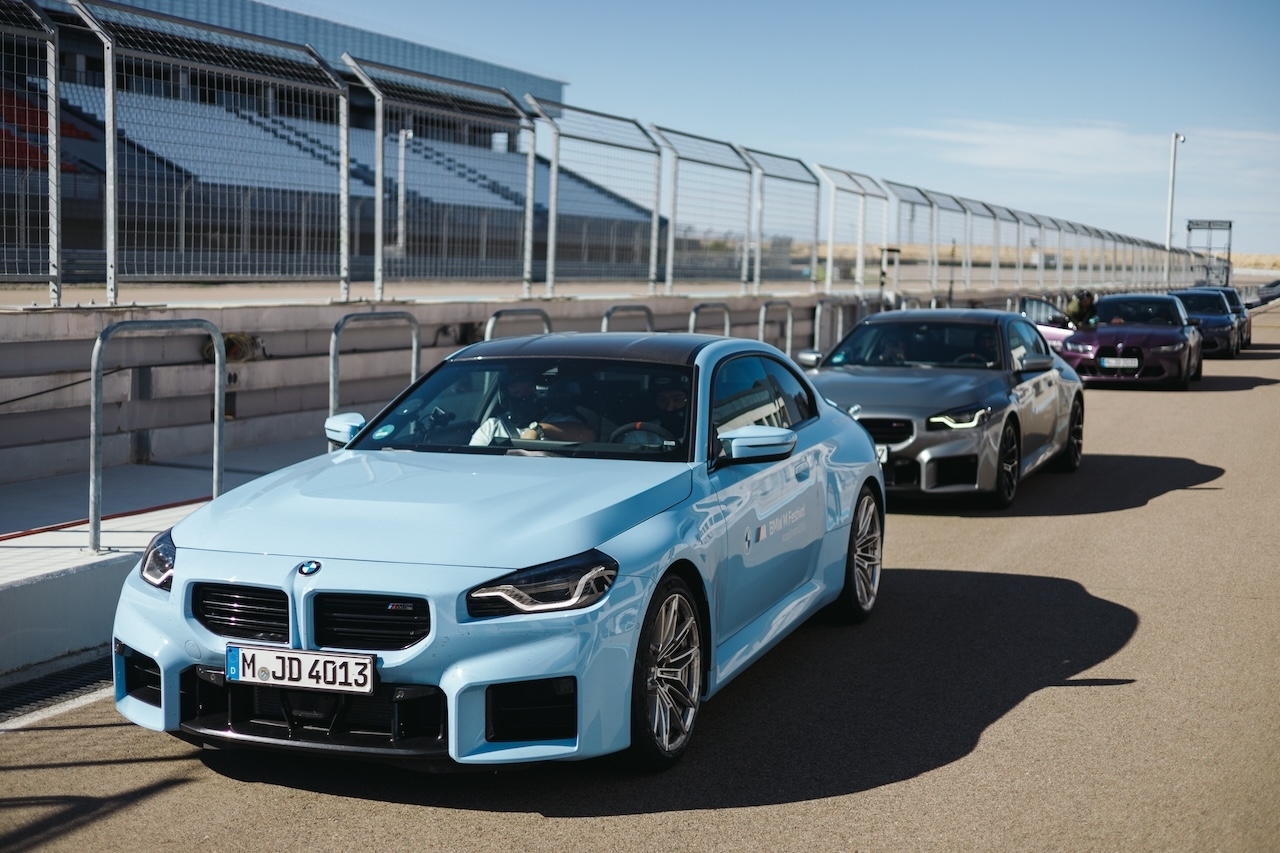
That selection offered several interpretations of a performance car: a compact coupé, a sedan and two wagons. Guests could explore how the cars responded to their inputs through the festival’s driving programme.
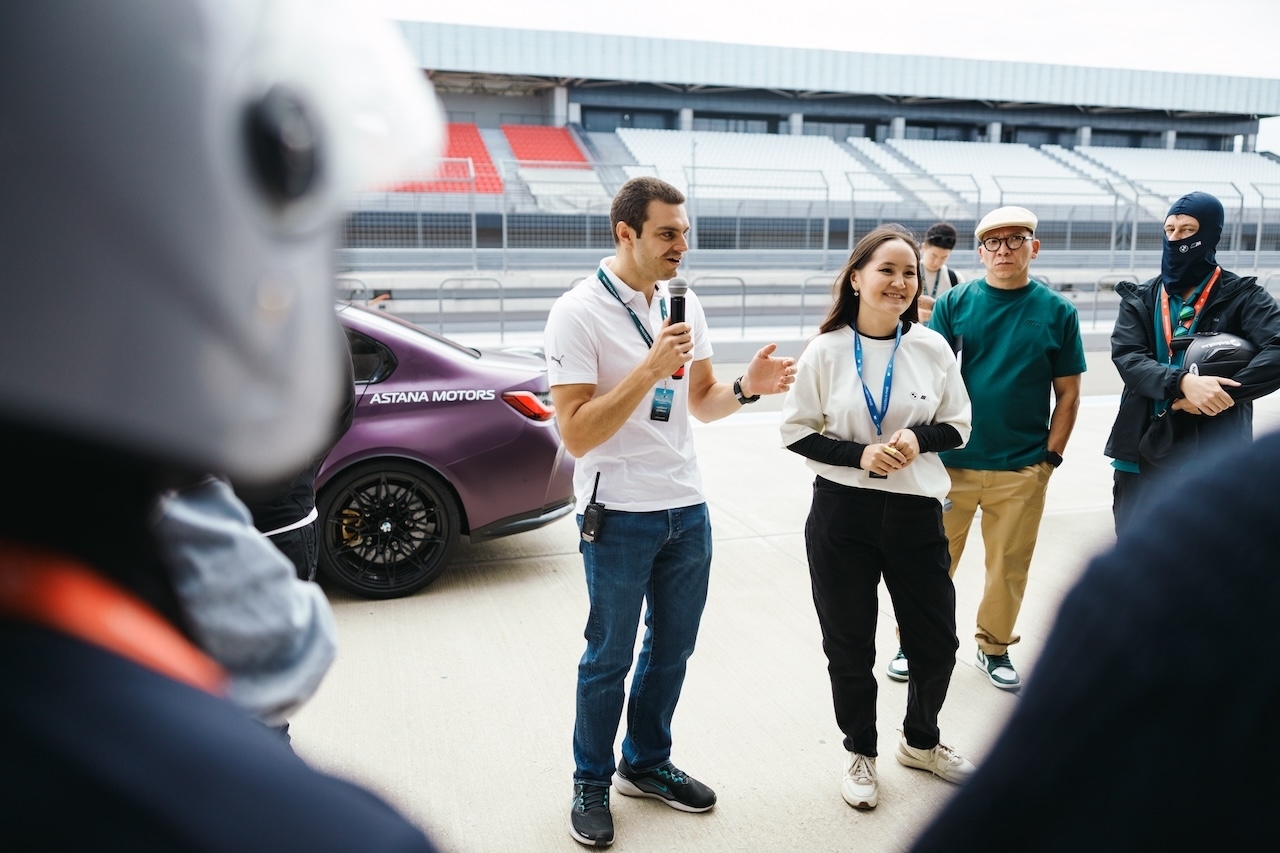
The opening was attended by Baurzhan Abenov, director of BMW distribution in Kazakhstan, and Georgiy Rozhkov, regional manager for BMW M at BMW AG.
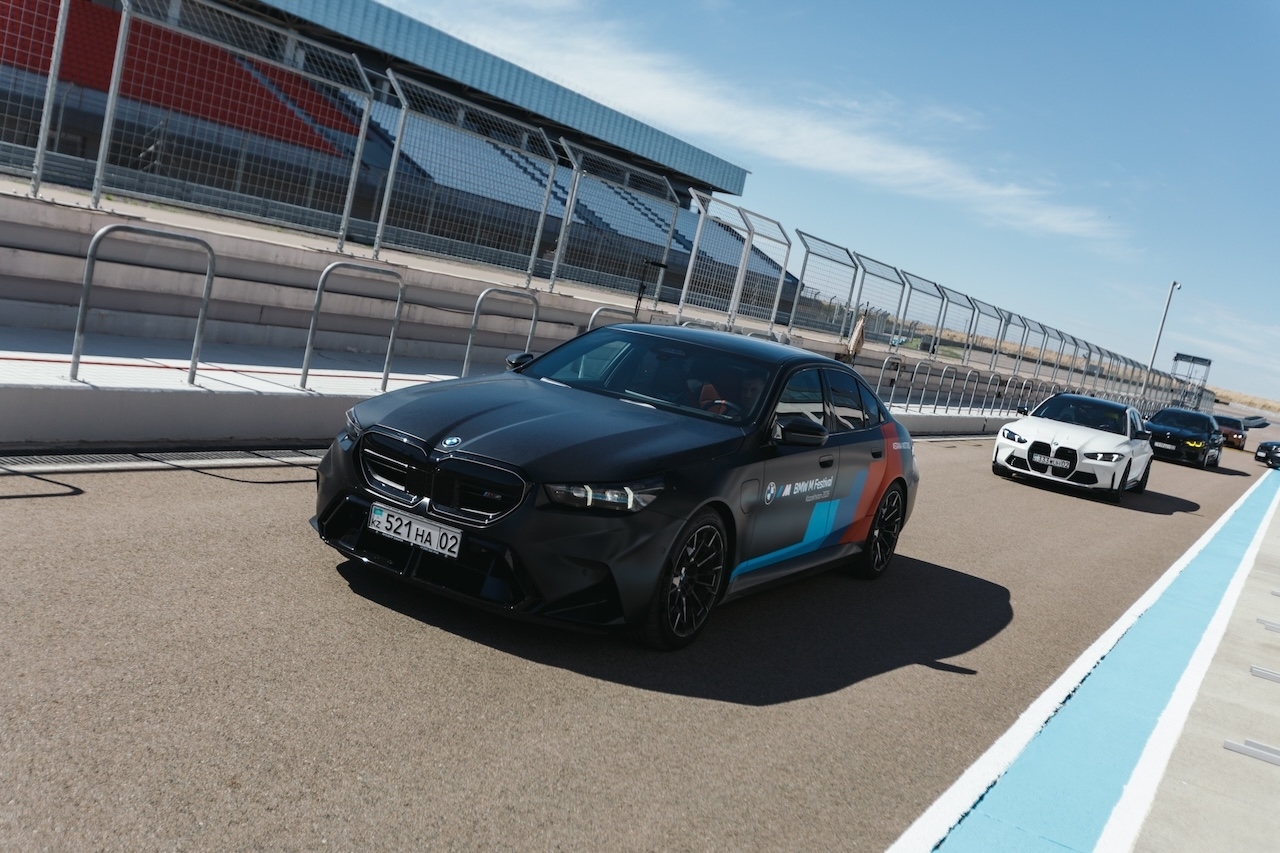
Five certified BMW M instructors led the track activities: Vladimir Kulev, Martin Kolev, Kristian Kolev, Aleksandar Nikolov and Luchezar Shumkov.
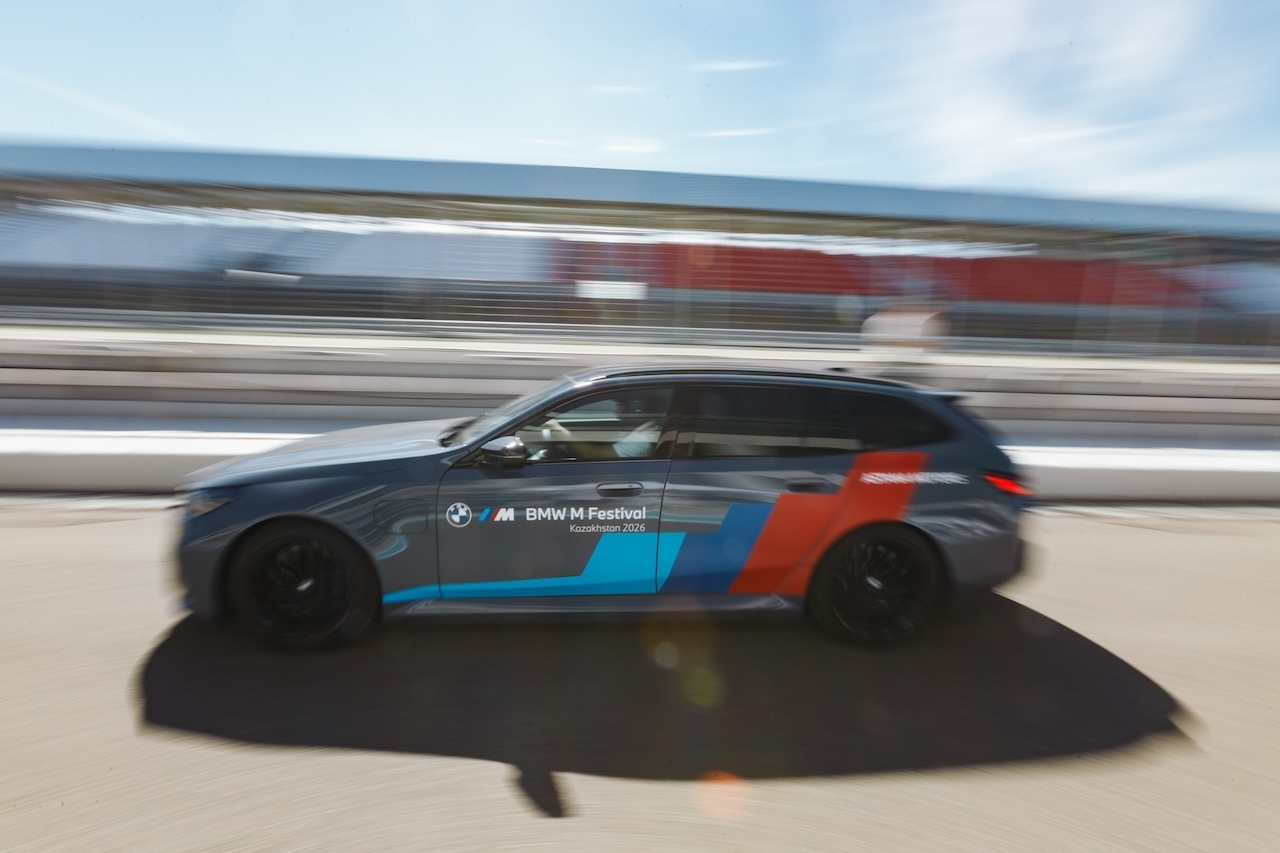
The M3 Touring and M5 Touring added an intriguing element to the line-up. Both combine a body designed for passengers and luggage with engineering intended to cope with demanding track use.
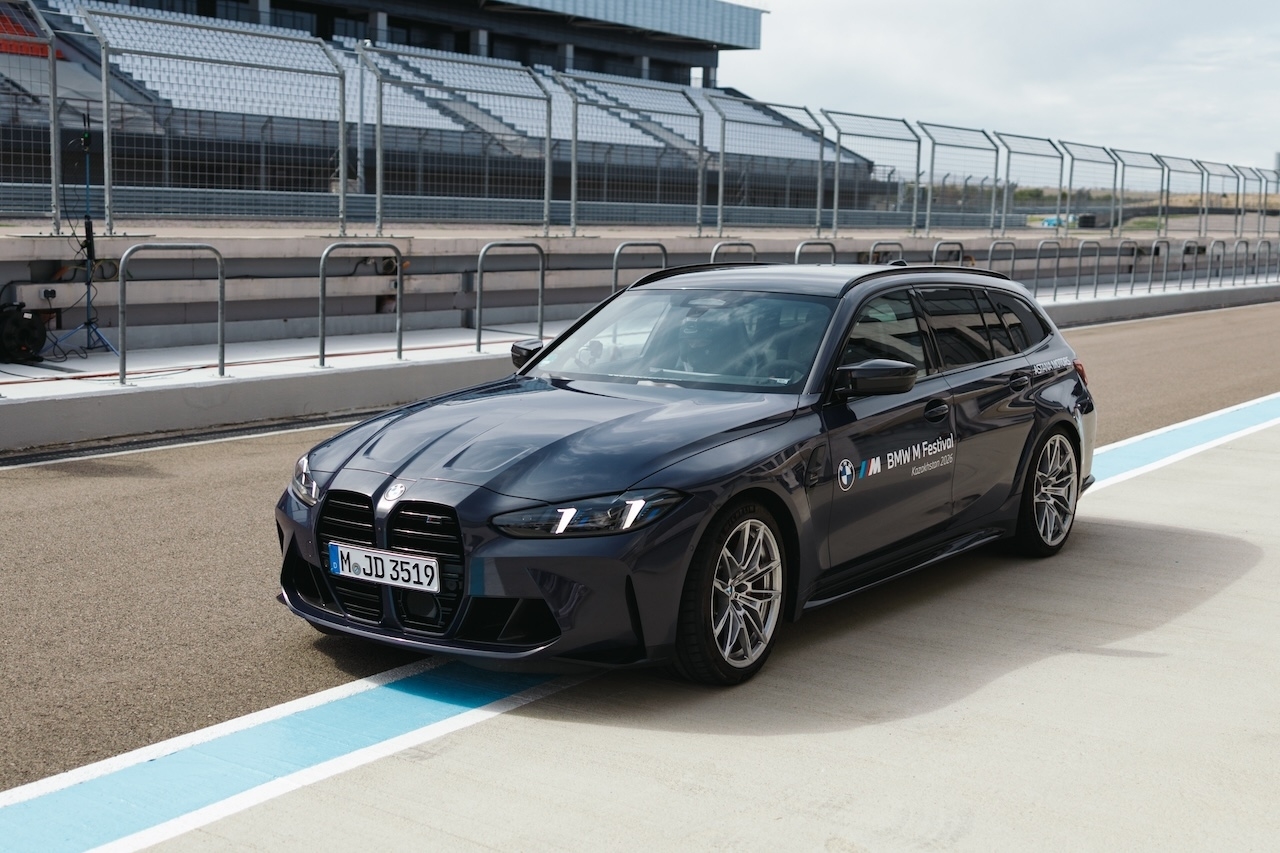 In BMW’s current production range, the M3 Competition Touring with M xDrive has a turbocharged inline six-cylinder petrol engine producing 390 kW, or 530 metric horsepower. BMW quotes a 0–100 km/h acceleration time of 3.6 seconds.
Its engineering extends beyond the engine. Additional body bracing, adjustable dampers, and cooling and oil-supply systems designed with circuit driving in mind support the car under sustained loads.
The BMW M5 Touring takes a different approach. Its 4.4-litre V8 petrol engine works with an electric motor, delivering a maximum combined output of 535 kW, or 727 metric horsepower, and 1,000 Nm of torque. BMW also quotes 3.6 seconds for the sprint to 100 km/h.
 Rear-wheel steering helps the larger wagon manoeuvre. At low speeds, the rear wheels turn in the opposite direction to the front wheels, reducing the turning circle. At higher speeds, they turn in the same direction to improve stability.
These features help explain why the Touring models belonged in the circuit programme: their practical body shape houses systems developed for hard acceleration, braking and cornering.
The driving programme offered four distinct formats.
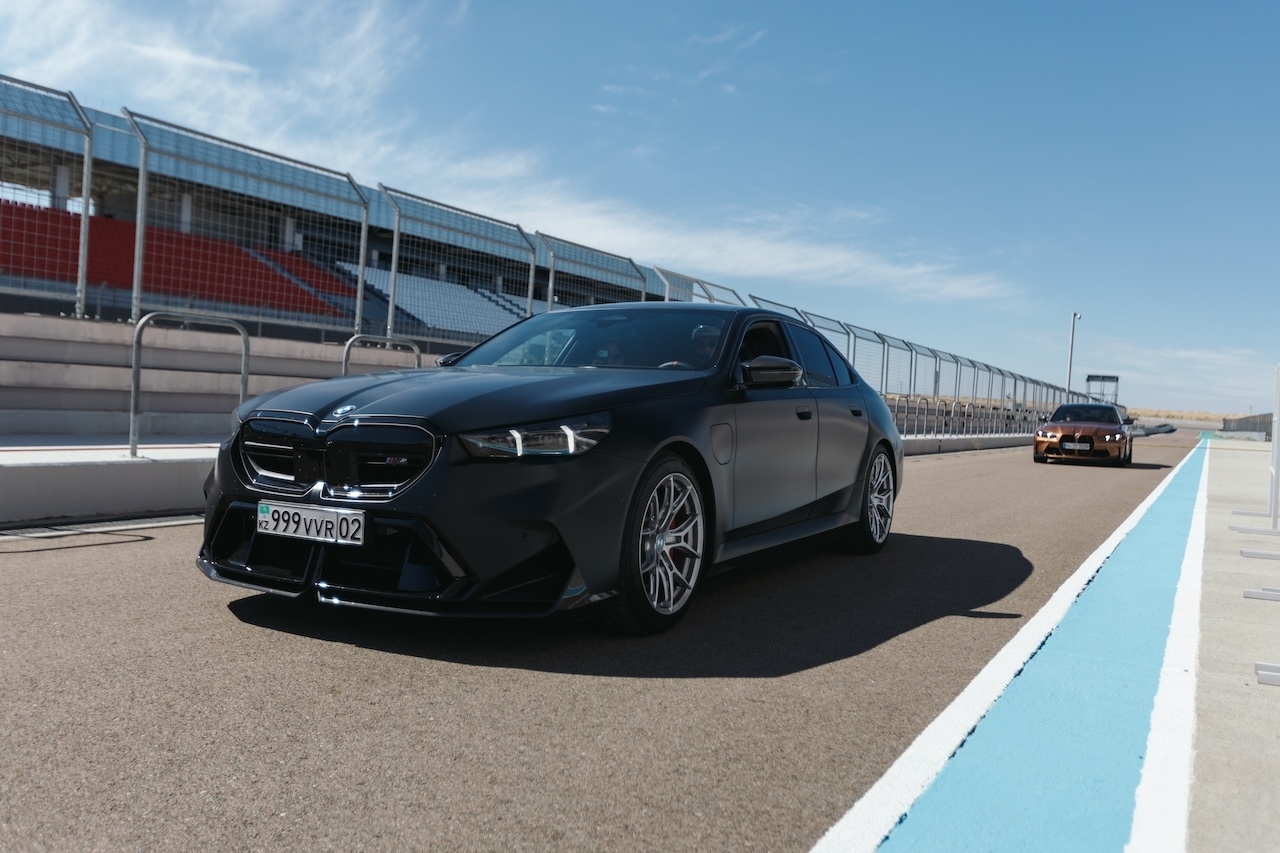
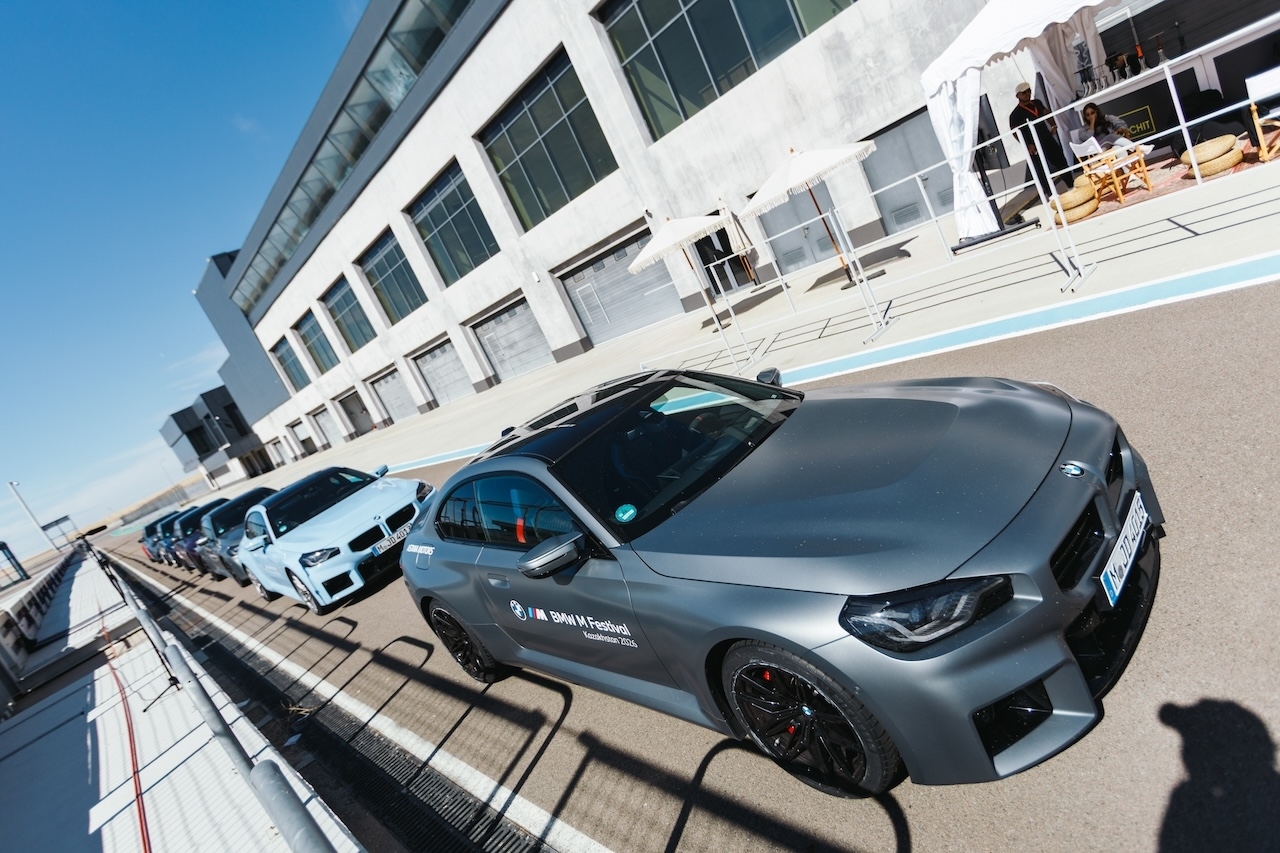 In BMW M Fleet, guests drove BMW M cars themselves on the circuit under instructor supervision. This gave participants a chance to explore steering response, acceleration and the car’s behaviour while following the team’s guidance.
Taxi Drive put a professional pilot behind the wheel. From the passenger seat, guests could focus on the driver’s technique and the car’s performance without having to manage the vehicle themselves.
Owners could join Own Car Track Session, taking their own vehicles onto the circuit in a group behind an instructor’s car. Participants maintained a shared pace and practised following a safe driving line.
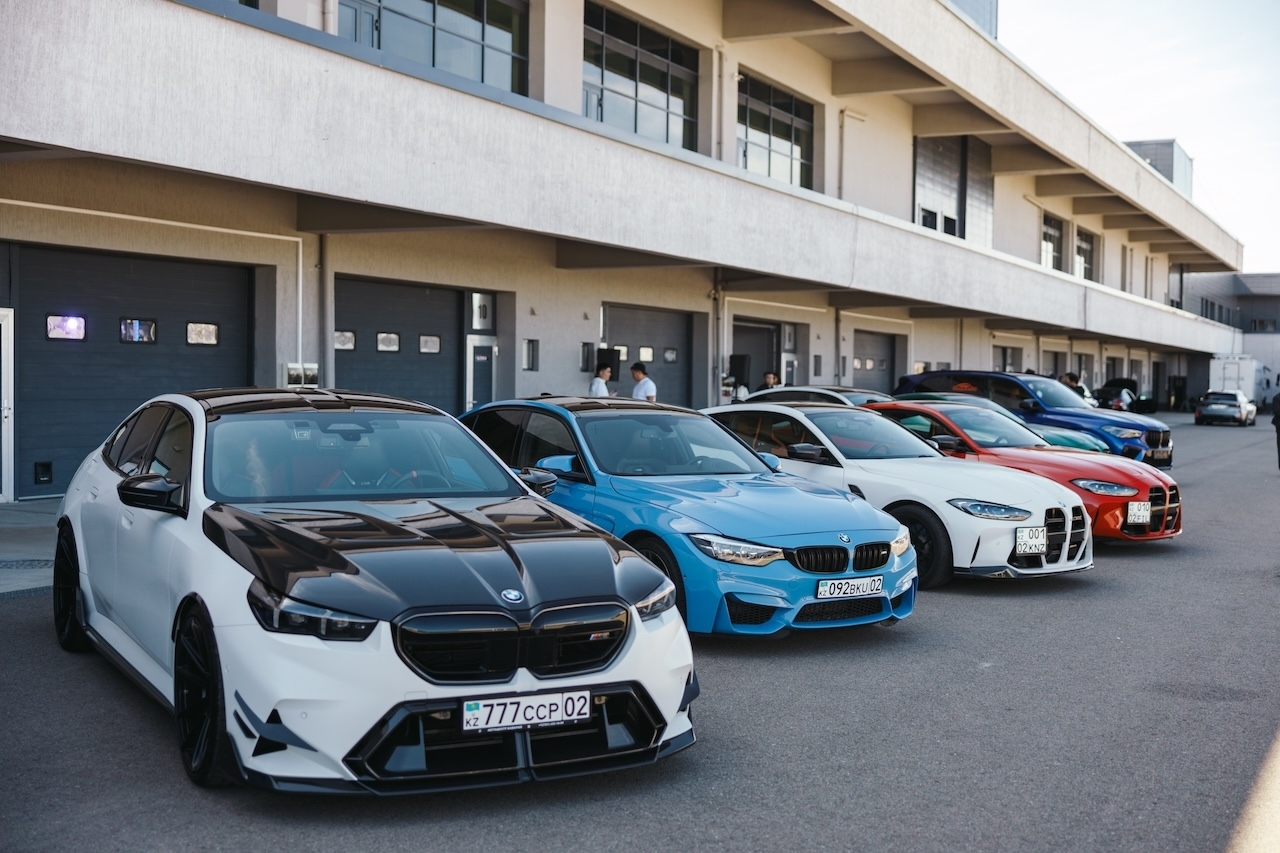
This format made a familiar car the subject of the exercise. Drivers could explore its behaviour in a circuit environment, with a clearly defined task: follow the group’s pace and maintain the prescribed line.
Parcour took place in a specially prepared area, with exercises focused on precision, manoeuvrability and vehicle control.
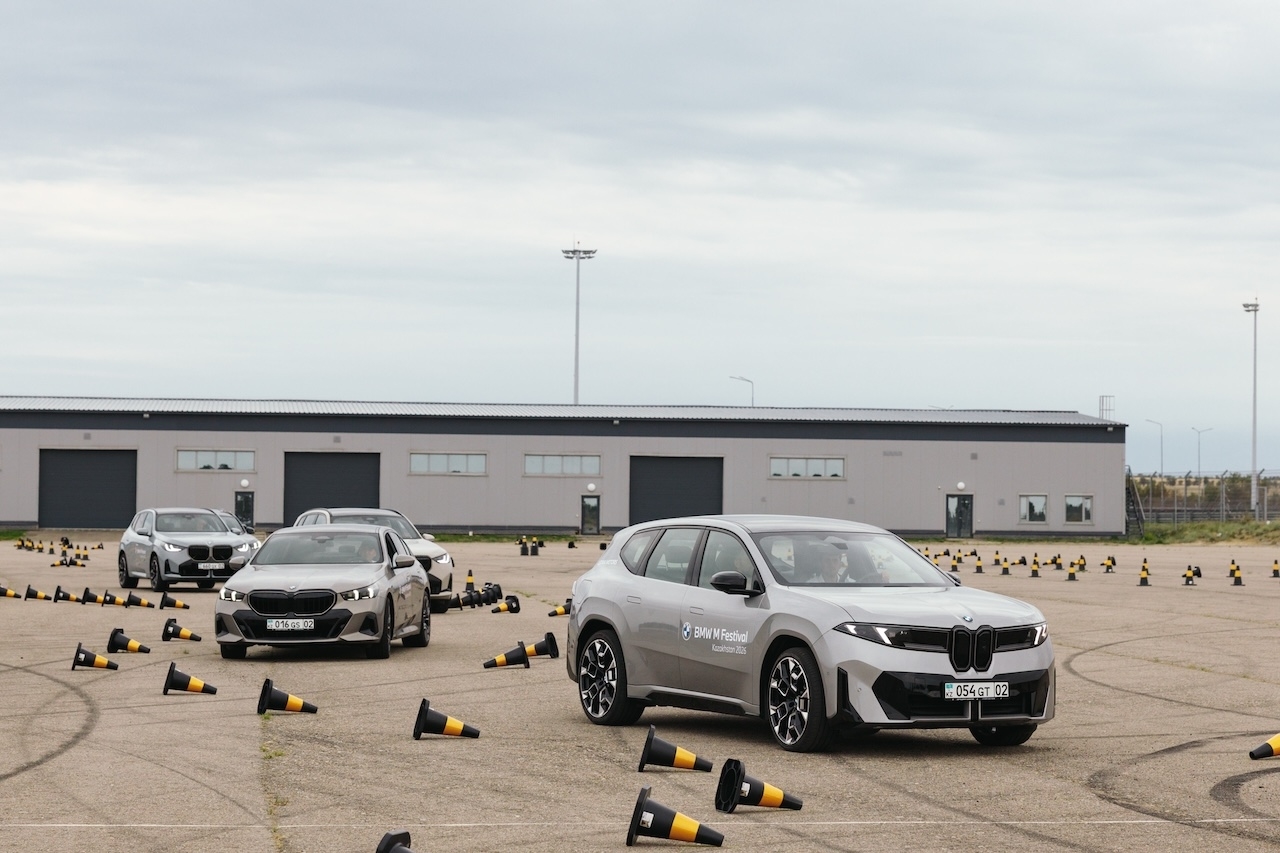
Activities were divided into groups and time slots so that guests could work through their chosen formats in sequence.
Sokol provides space to explore different elements of performance driving. According to the circuit’s official track description, its main configuration measures 4,495 metres and includes 13 turns, with straights up to one kilometre long.
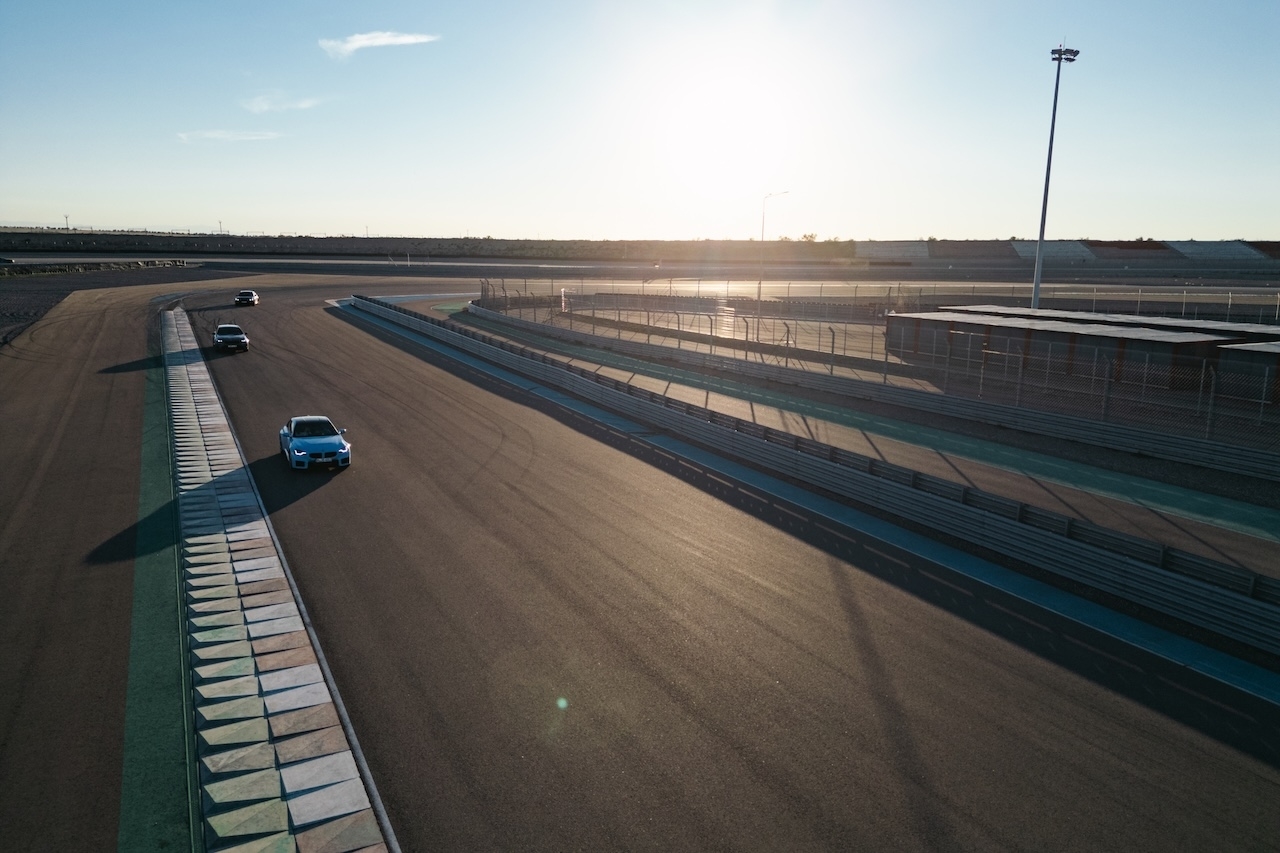
That layout allows drivers to experience a car under acceleration, braking and changes of direction. The pace of each session, however, is determined by its programme and instructors.
For participants from Kazakhstan, the event brought together an international fleet, specialist instruction and a professional circuit within their own country.
Guests could follow the track sessions from designated spectator areas. Large screens carried live coverage, with presenters Azamat Isakhanov and Artur Abramovich providing commentary.
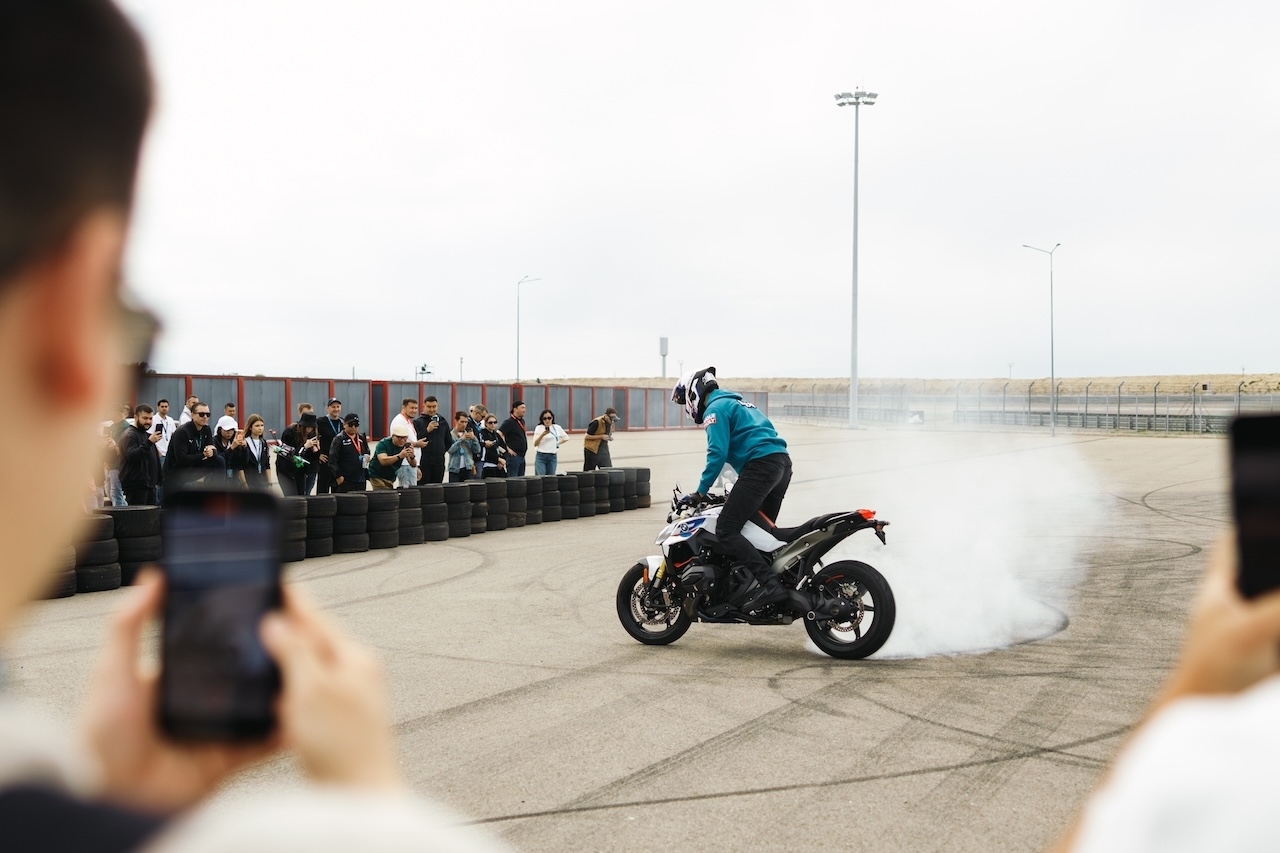 Lithuanian professional motorcycle stunt rider Šarūnas Kezys, known as Sheras Zyske, delivered a separate show featuring complex tricks on several BMW motorcycles.
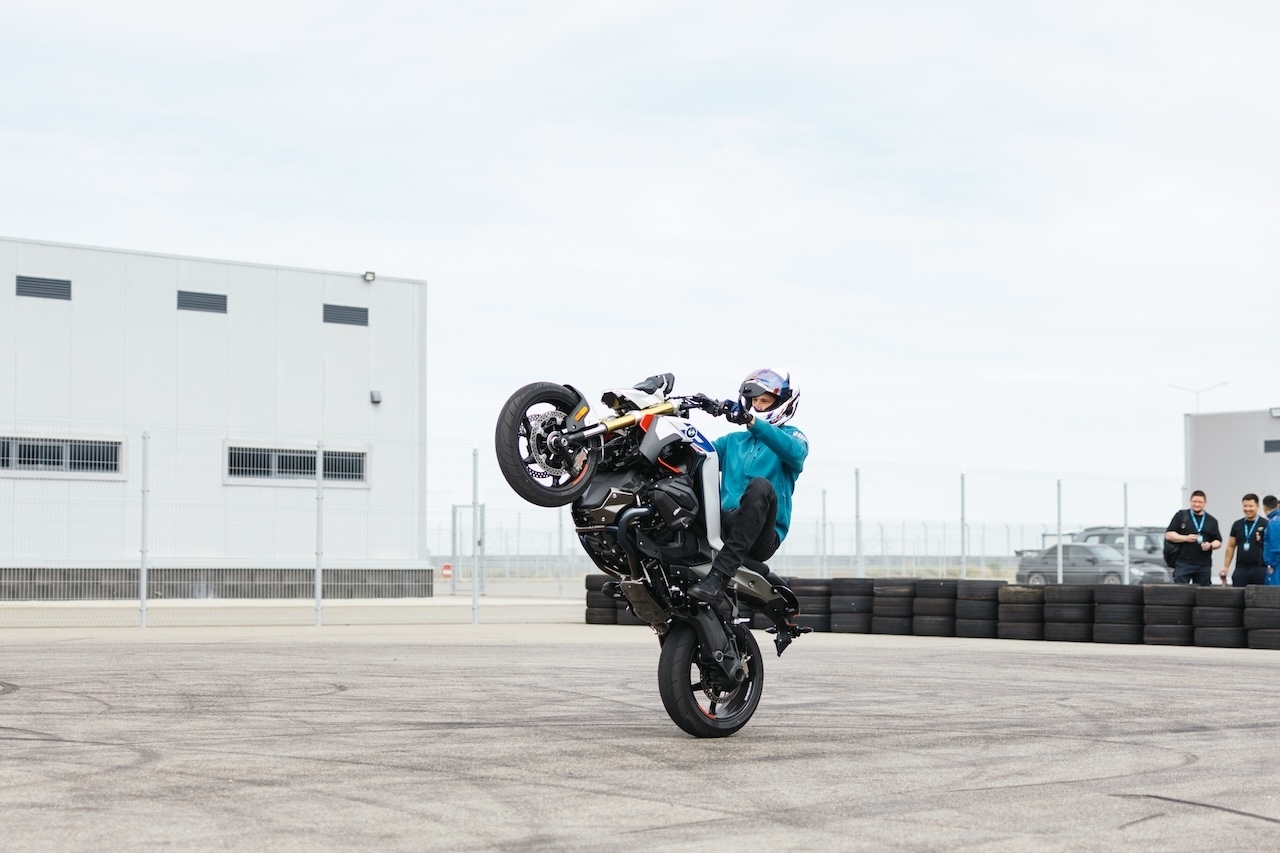
Almaty DJ and promoter Arsen Superfly handled the music programme. Between sessions, guests could use racing simulators, visit interactive areas or spend time in the lounge and food zones.
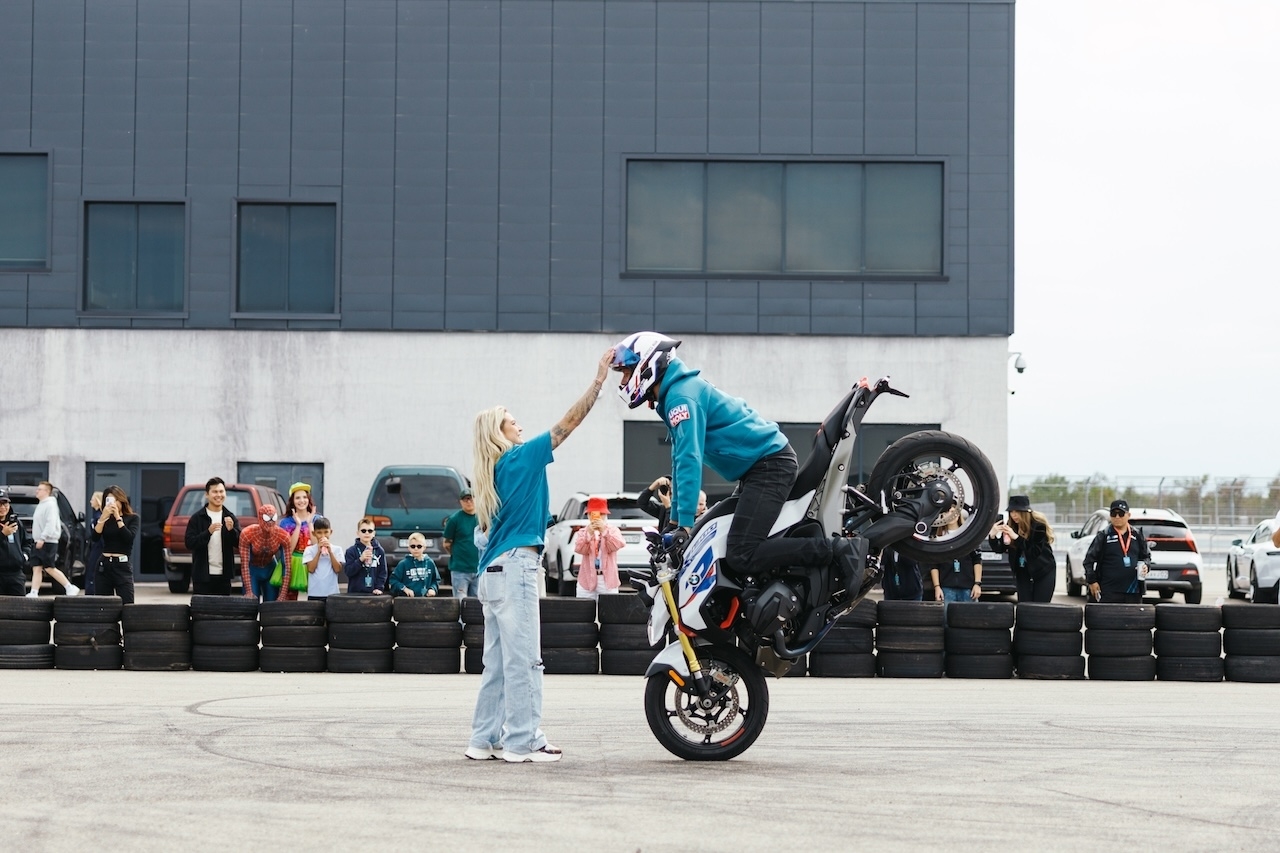
Families also attended. Separate activities were provided for children, while access to areas where vehicles were moving was restricted.
Participants received a mandatory briefing before each session. Race Control authorised departures onto the circuit, and instructors supervised the driving activities.
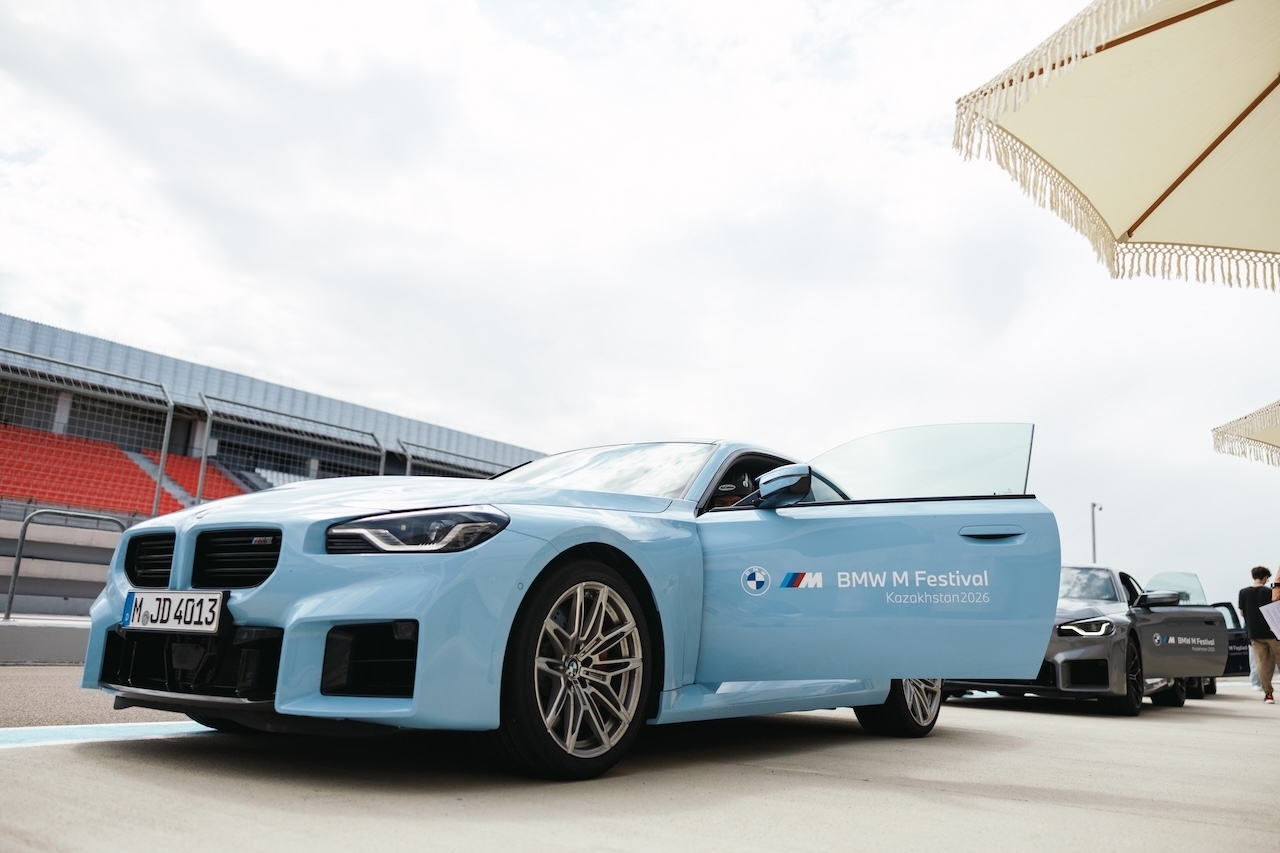
A driving licence was required for guests taking the wheel. Participants had to follow the schedule and comply with the track team’s instructions, including during sessions in their own cars.
“BMW M Festival offers an opportunity to see M cars in the setting where their character, precision and engineering capabilities are most fully revealed: a professional racetrack. For us, it is essential that the excitement goes hand in hand with responsible driving, clear rules and the work of experienced instructors,” said Baurzhan Abenov.
Source: dknews.kz
10/09/2026