


















Risk-Free Electrification. Why battery safety is coming to the forefront in Kazakhstan
23/04/2026


23/04/2026
Kazakhstan’s automotive market is experiencing heightened turbulence, judging by the activity of the brands represented in the country and the pace at which their model ranges are expanding. According to the Kazakhstan Automobile Union (KAU), around 50 passenger-car brands are officially represented in the country today. Potential customers are getting lost in this variety of models and in the flow of information about special programs, prices, and promotions.
Consumers understand even less about new energy vehicles (NEVs), since this segment is new to the region and has not yet been studied in depth by Kazakhstanis. Lacking experience and faced with conflicting opinions in the media space, some are still holding off on buying NEVs. However, there are also those who carefully study data on eco-friendly transport and technical advantages and already have firsthand experience owning an EV or hybrid.
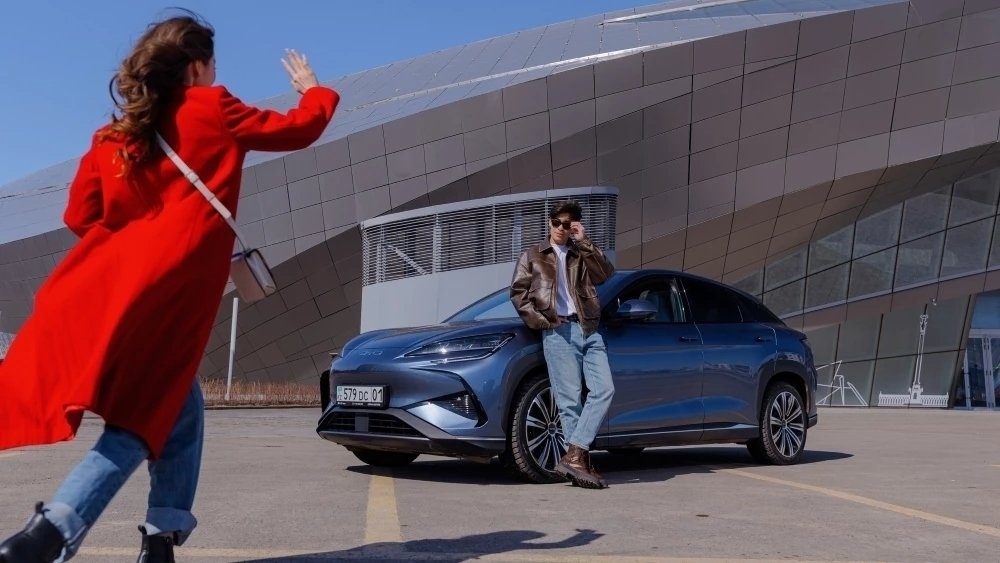
BYD Sealion 7
NEVs are gaining popularity in Kazakhstan. According to KAU statistics, official dealers sold 1,083 electric vehicles nationwide in 2024, while in 2025, NEV sales rose to 4,242 units. In January-February 2026, dealers sold 708 NEVs, including 438 plug-in hybrids and 270 battery electric vehicles — 4.2 times more than in the same period of 2025. The share of NEVs in Kazakhstan’s new car market rose to 2.6% over the two-month period — a modest figure, but enough for a start.
As interest in this new-to-market type of transport grows, so do expectations. For buyers, knowing only the price and range is no longer enough: battery reliability, behavior in extreme situations, and the level of engineering refinement are moving to the fore. This is exactly where BYD’s approach stands out, with its emphasis on scientific research and proprietary technology development.
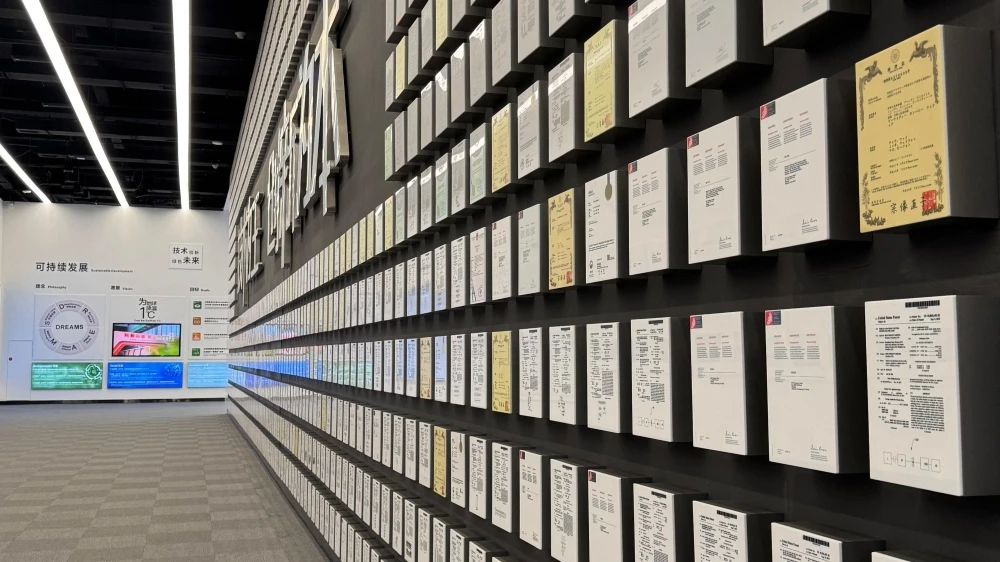
Shenzhen, China. Wall with registered patents at BYD headquarters
BYD leads the global NEV market and strengthened its presence in Kazakhstan in its first year of sales, where, as a reminder, the brand is represented by Astana Motors.
In 2025, BYD burst into the top ranks of popular auto brands in the local market, grew tenfold and topped the NEV sales ranking, according to KAU statistics. The key factor behind trust in BYD is safety, and it is built not on marketing claims but on a deep engineering foundation and years of development.
Electric crossover that inspires trust. Testing the BYD Sealion 7
Investing in the Future
BYD Auto has already invested more than $32 billion in research and development, with 110,000 engineers working on new technologies at 11 R&D institutes worldwide. Investment on this scale shows that BYD views safety as a fundamental part of the product, not an optional extra.
This is not only about creating new models but also about continuously refining key EV components — above all batteries, cooling systems, charging management, and emergency protection. Each new stage of development is accompanied by laboratory and real-world testing, including crash tests, overheating checks, mechanical damage, and extreme temperature loads.
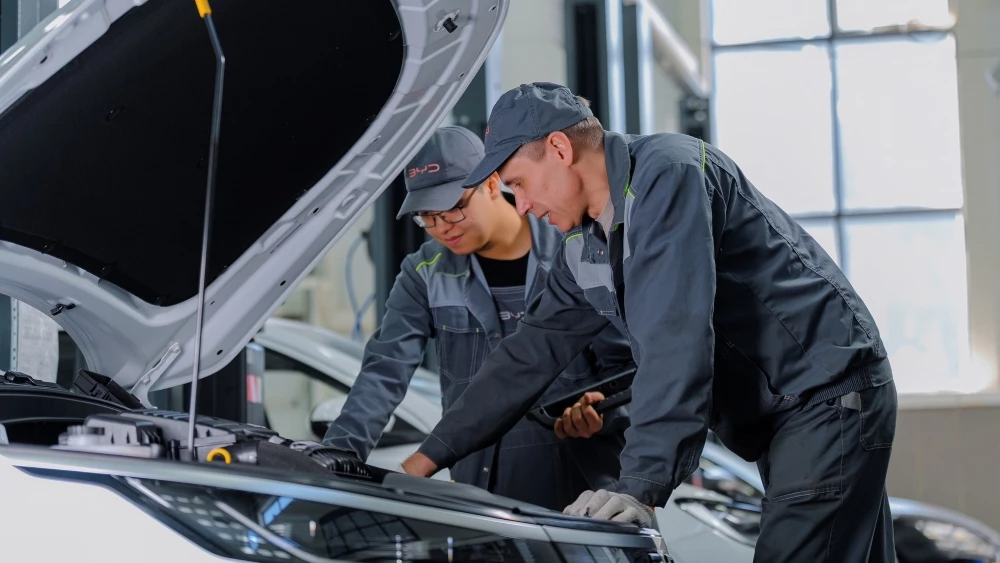
Service at BYD Turan dealership
BYD vehicles are not just mass-produced EVs and hybrids, but the result of years of engineering work, where every technology goes from scientific hypothesis to practical application. This approach is especially important in a fast-growing EV market, where buyer trust depends directly on how safely the vehicle behaves in everyday operation and in emergency situations.
BYD Song Plus EV: the EV that won over even a skeptic. Our test drive
BYD Blade Battery
The centerpiece of BYD’s strategy is its proprietary Blade Battery technology, which has become one of the company’s most recognizable developments in the EV world. It will eventually be succeeded by a new generation — Blade Battery 2.0 — which the company promises will deliver even higher levels of safety, energy efficiency, and service life.
The distinctive feature of Blade Battery lies not only in its chemical composition but also in its construction. Unlike conventional battery packs, in which cells are combined into modules, BYD’s system places long, thin cells directly in the battery housing in a “blade” arrangement — hence the name. This architecture enables more efficient use of internal space, increases cell packing density, and at the same time enhances the rigidity of the entire structure.
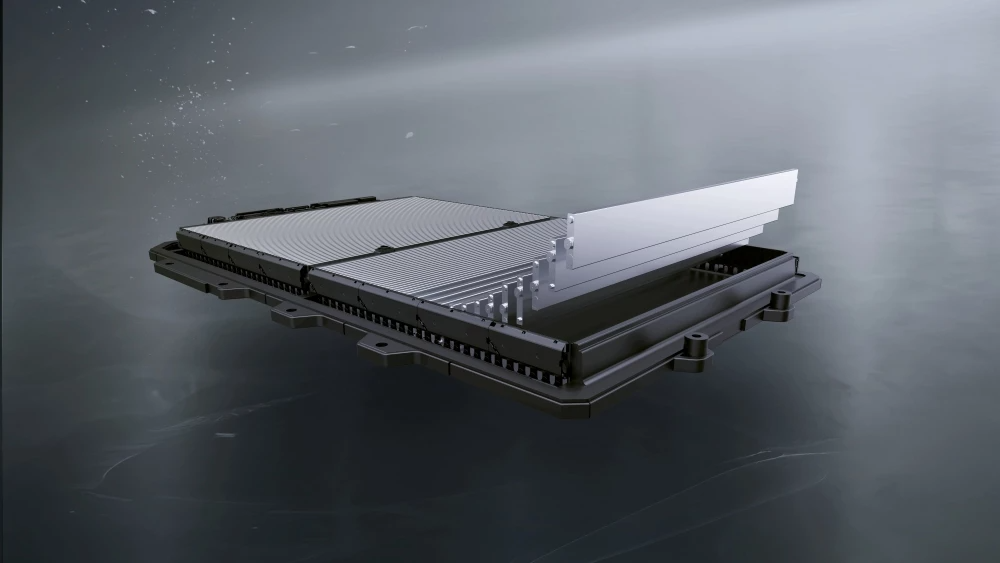
BYD Blade Battery
The battery is based on lithium iron phosphate (LFP) chemistry. Unlike widely used NCM batteries containing nickel, manganese, and cobalt, LFP batteries are less prone to overheating and chemically more stable at high temperatures. This reduces the risk of thermal runaway — one of the main causes of battery fires.
An additional advantage of Blade Battery is durability. Such batteries better withstand a large number of charge and discharge cycles, degrade more slowly over time, and retain performance even after prolonged use. For owners, this means not only a higher level of safety but also stable vehicle operation for many years.
It is precisely the combination of structural strength, heat resistance, and durability that makes Blade Battery one of the key reasons why BYD emphasizes safety as its main technological advantage.
Our test drive of the BYD Yuan Up. China’s answer to urban crossovers
Nail penetration test
The reliability of this technology is confirmed not only by laboratory calculations but also by real-world tests, the most famous of which is the nail penetration test. In the industry, this test is considered one of the most severe ways to verify batteries, as it simulates one of the most dangerous scenarios: internal battery damage from a severe impact, accident, or mechanical destruction of the housing.
During the experiment, a metal pin deliberately pierces a battery cell all the way through. For most conventional NCM batteries, such a puncture causes an instant short circuit inside the cell: temperature rises sharply, thermal runaway begins, and fire, flames, or even an explosion may follow.
In the case of Blade Battery, the result is fundamentally different. Thanks to LFP chemistry, the absence of cobalt in the battery composition, and a special internal design, the battery does not enter uncontrolled overheating. When punctured, the temperature remains well below the critical threshold, and the battery neither ignites nor detonates. In BYD’s tests, the battery maintained a stable state after damage, with no smoke or open flame — precisely what is considered the main proof of its enhanced safety.
Similar tests could also be observed in Kazakhstan — during public demonstrations comparing different types of batteries. The results clearly showed the difference in damage resistance.
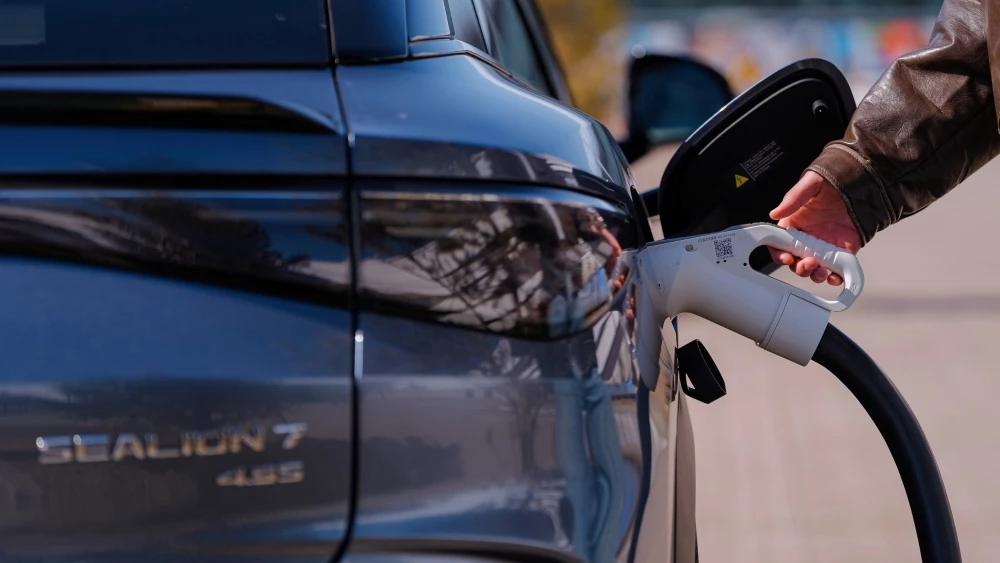
BYD Sealion 7 at MyCharge electric charging station in Astana
International Recognition for Safety
In 2024, Blade Battery received the “Innovation of the Year” award from the British publication Electrifying.com — one of Europe’s most authoritative media outlets in the field of electromobility, specializing in tests, reviews, and analysis of new EV technologies.
This award is given to developments that make a real contribution to the industry's growth and change market standards. In BYD’s case, experts specifically noted the combination of safety, durability, and engineering originality of Blade Battery. For the industry, this is important recognition, as it’s not just about high capacity or range, but about technology that directly influences a key factor in buyer trust — operational safety.
In conditions where Kazakhstan’s EV market is developing, and with it the number of home chargers and public charging stations is increasing, battery reliability becomes a critically important factor in the purchase decision. The safety of electrification is no longer a question of the future, but a question of today’s trust in technology.
“Today’s buyer thoroughly researches information about a car and makes an informed choice,” says Anton Kushch, Director of BYD in Kazakhstan. “Interest in the brand in the country formed and strengthened quickly. Kazakhstanis highly appreciate the advantages of BYD vehicles and remain with us for the long term.”
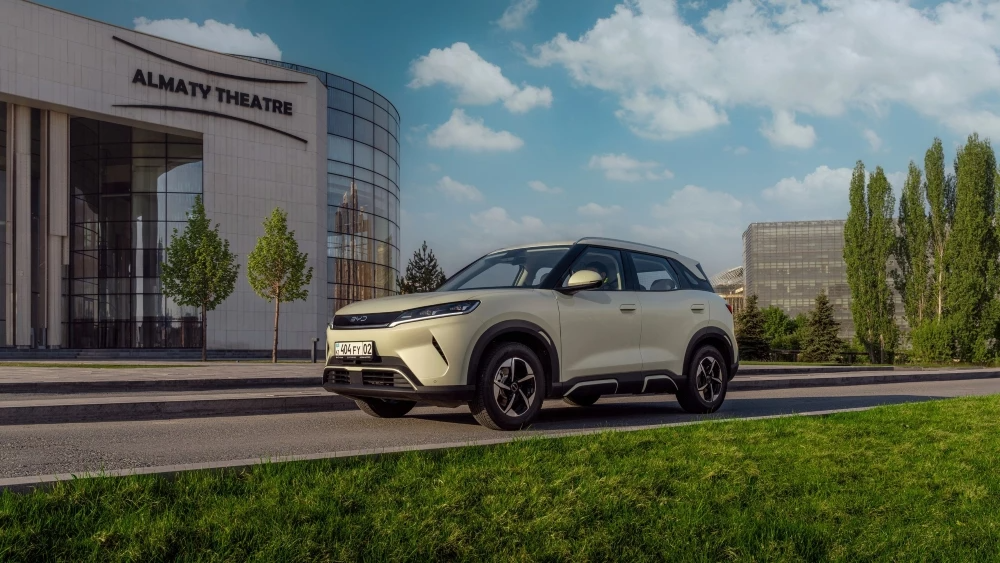
Almaty, Kazakhstan. BYD Yuan Up
For Kazakhstan, where the EV and hybrid market is only entering a stage of mature development, technological reliability is becoming a key factor in choice. As the number of NEV vehicles grows, buyers will increasingly focus not only on cost, range, or design, but also on how safe the batteries are, how proven the technologies are, and what scientific resources stand behind the brand.
In this context, safety is gradually becoming the main criterion for trust. It is this factor that will determine which manufacturers can establish themselves in the market over the long term. For the industry, this means a shift in emphasis: competition is moving from surface-level specifications to the depth of engineering solutions, where the decisive role is played by the brand’s ability to validate its technologies through real-world testing and scientific expertise.
Source: китайские-автомобили.рф
23/04/2026